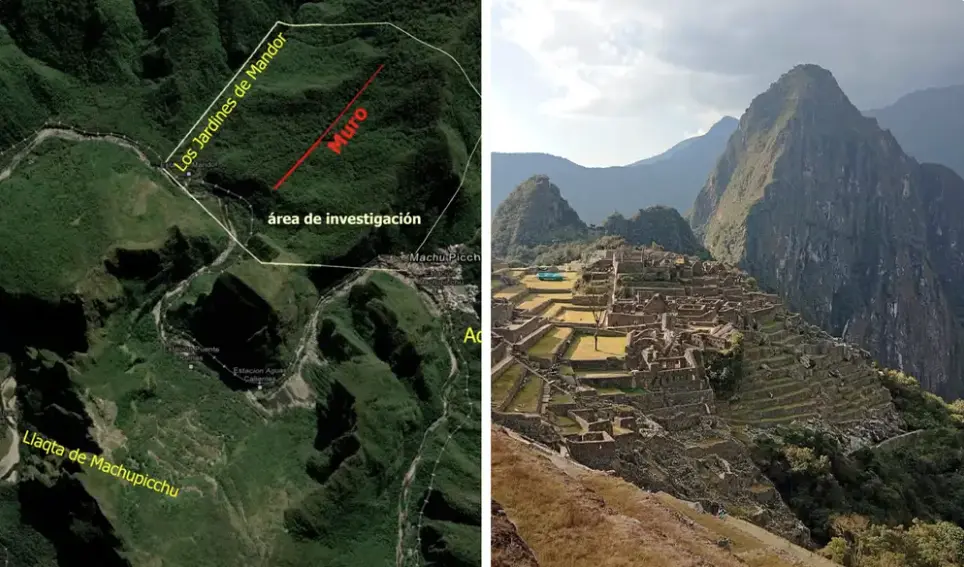
Historic Sanctuary of Machu Picchu: Why This UNESCO World Heritage Site Remains Peru’s Greatest Treasure in 2026

On this page
Updated by the editorial team at Machu Picchu News, specialists in Peru travel and cultural heritage coverage.
The Historic Sanctuary of Machu Picchu known in Spanish as the Santuario Histórico de Machu Picchu continues to captivate travelers from around the world, combining extraordinary archaeological heritage with one of South America’s most diverse natural landscapes. Located high in the Peruvian Andes, this protected area is far more than the famous Inca citadel. It safeguards cloud forests, endemic wildlife, ancient agricultural terraces, and sacred ceremonial sites that have shaped Peru’s cultural identity for centuries.
As Machu Picchu tourism continues to grow in 2026, conservation remains a top priority. The Peruvian government, UNESCO, and the National Service of Natural Protected Areas (SERNANP) continue implementing visitor management strategies to preserve both the archaeological monument and the surrounding ecosystem. These efforts include regulated visitor circuits, daily entry limits, and ongoing restoration projects that help protect one of the world’s most iconic destinations for future generations.
Whether you are planning your first visit, researching when Machu Picchu discovered became international news, or following the latest updates about Peru’s Machu Picchu, understanding the importance of the Historic Sanctuary allows you to appreciate why this destination is recognized as one of the world’s greatest cultural and natural treasures.
Planning your trip? Read our complete guide to Machu Picchu admission tickets to visit the Historic Sanctuary fully prepared.
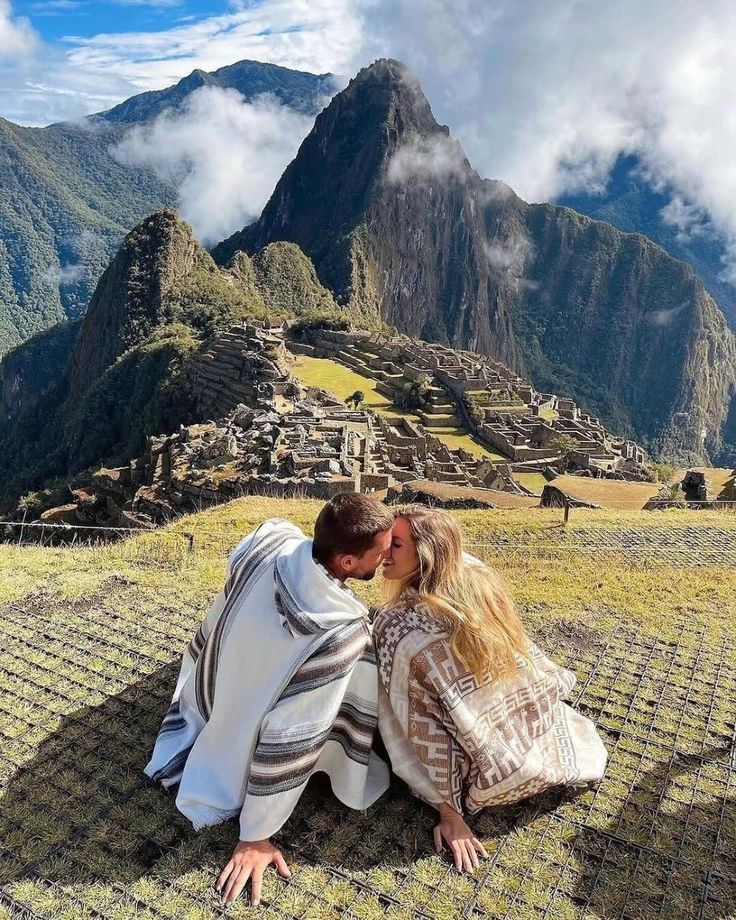
Quick Facts: Historic Sanctuary of Machu Picchu
| Information | Details |
| Country | Peru |
| Region | Cusco |
| UNESCO World Heritage Site | Since 1983 |
| Protected area established | 1981 |
| Elevation | 2,430 m (7,972 ft) above sea level |
| Area | 32,592 hectares (80,535 acres) |
| Distance from Cusco | ~75 km (47 miles) northwest |
| Best season to visit | May – September |
| Daily visitor cap (2026) | 4,500 (regular) / 5,600 (high season) |
Fast Facts
- UNESCO World Heritage Site since 1983
- One of the New Seven Wonders of the World (2007)
- One of the world’s few mixed UNESCO World Heritage Sites (cultural and natural)
- Home to more than 400 bird species
- Located entirely within the Cusco Region of Peru
- Protected area established in 1981, two years before UNESCO inscription
- Built around 1450 AD during the reign of Emperor Pachacuti
Did You Know?
- Machu Picchu was never found by the Spanish conquistadors during the colonial conquest of Peru; it remained unknown to the outside world until 1911.
- The Historic Sanctuary protects hundreds of archaeological sites beyond the main citadel, many still under study today.
- It is one of the world’s few mixed UNESCO World Heritage Sites recognized for both cultural and natural value, a distinction shared by fewer than 40 properties worldwide.
- The sanctuary’s cloud forest sits at the exact transition between the high Andes and the Amazon Basin, which explains its extraordinary biodiversity.
Table of Contents
- Quick Facts & Fast Facts
- What Is the Historic Sanctuary of Machu Picchu?
- Why Is It So Important? (UNESCO, Biodiversity, Inca Legacy)
- The Discovery of Machu Picchu (with visual timeline)
- Machu Picchu Tourism in 2026: Tickets, Circuits & Visitor Limits
- Visitor Guide: How to Get There and What to Bring
- Frequently Asked Questions
1. What Is the Historic Sanctuary of Machu Picchu?
The Historic Sanctuary of Machu Picchu is a protected area covering approximately 32,592 hectares (80,535 acres) in the Cusco Region of Peru. It protects not only the world-famous Inca citadel but also an extensive landscape of mountains, cloud forests, rivers, archaeological sites, and remarkable biodiversity making it one of the answers travelers find when searching Machu Picchu which country: it lies entirely within Peru, in the southeastern Andes.
Established in 1981 as a protected natural area, the sanctuary was later designated a UNESCO World Heritage Site in 1983 due to its outstanding cultural and natural value, under the World Heritage Convention. This dual recognition makes it one of the few places worldwide acknowledged for both its archaeological significance and ecological importance.
Today, the sanctuary represents one of Peru’s most valuable protected areas and serves as a global example of sustainable heritage conservation.
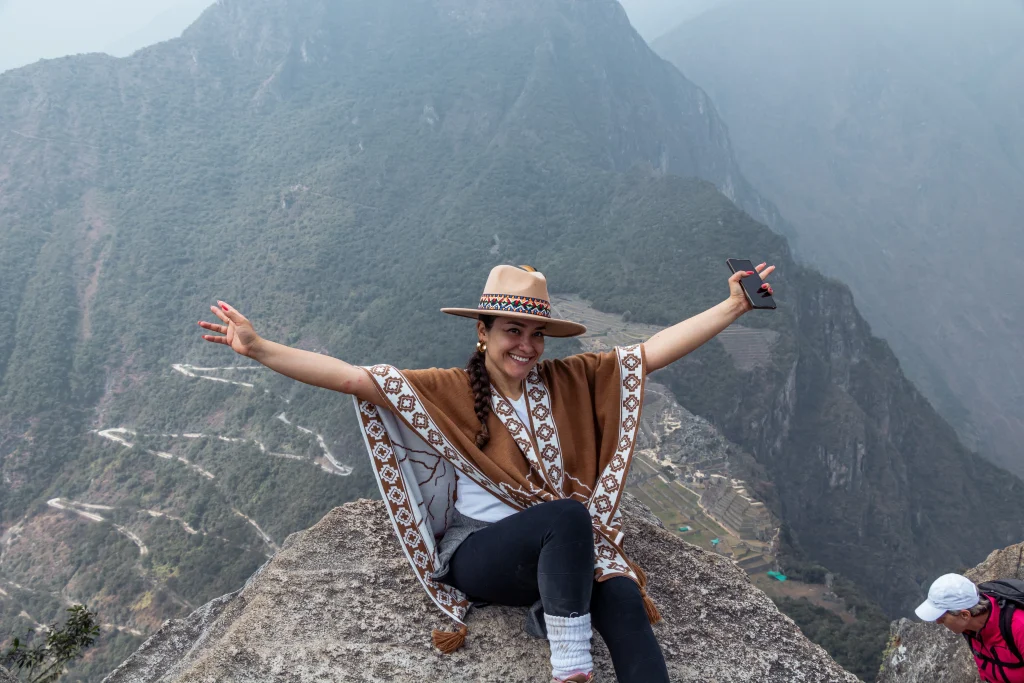
Where Is the Historic Sanctuary of Machu Picchu?
The sanctuary is located in the Cusco Region of southeastern Peru, approximately 75 kilometers (47 miles) northwest of the city of Cusco. It extends across the eastern slopes of the Andes Mountains, where high-altitude landscapes gradually descend into the Amazon cloud forest, alongside the Urubamba River.
Its privileged location creates spectacular scenery that combines towering Andean peaks, deep river valleys, cloud forests, rich biodiversity, ancient Inca agricultural terraces, and sacred ceremonial complexes contributing to Machu Picchu’s international recognition as one of the most beautiful archaeological landscapes in the world.
2. Why Is the Historic Sanctuary So Important?
The Historic Sanctuary of Machu Picchu represents much more than an archaeological destination. It protects an exceptional combination of history, culture, biodiversity, and living traditions that continue to define the Peruvian Andes. The sanctuary is significant because it:
- Preserves one of the finest examples of Inca engineering
- Protects hundreds of archaeological sites beyond the main citadel
- Conserves one of Peru’s richest cloud forest ecosystems
- Safeguards endangered wildlife and native plant species
- Supports sustainable tourism initiatives
- Preserves the Inca heritage of local Andean communities

A UNESCO World Heritage Site
UNESCO added the Historic Sanctuary of Machu Picchu to the World Heritage List in 1983, recognizing its exceptional cultural and natural importance under the World Heritage Convention. You can view the official UNESCO listing here. The designation highlights two key values:
Cultural Heritage: the sanctuary preserves one of the greatest achievements of the Inca civilization, including sophisticated stone architecture, ceremonial temples, agricultural terraces, and advanced hydraulic systems.
Natural Heritage: the protected area also safeguards one of the world’s most diverse mountain ecosystems, where the Andes meet the Amazon Basin.
This rare combination explains why the Historic Sanctuary is internationally recognized as a mixed World Heritage Site, a distinction granted to only a limited number of places worldwide, alongside other UNESCO World Heritage Peru sites.
Extraordinary Biodiversity
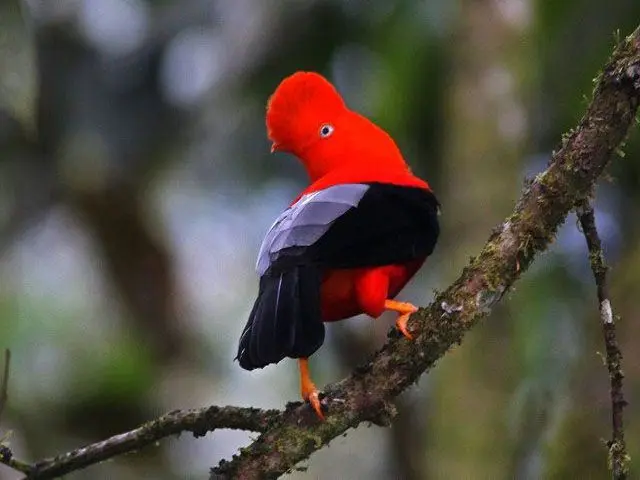
Many visitors associate Machu Picchu exclusively with archaeology, yet the Historic Sanctuary also protects remarkable biodiversity. Scientists have identified more than 400 bird species, hundreds of orchid species, spectacled bears, Andean foxes, mountain cats, cock-of-the-rock birds, butterflies, native hummingbirds, and diverse amphibians and reptiles within its cloud forest one of the richest ecosystems in the tropical Andes. Nature enthusiasts often consider the sanctuary one of Peru’s finest destinations for birdwatching and wildlife photography.

The Cultural Legacy of the Incas
Within the sanctuary, visitors can admire the Temple of the Sun, the Temple of the Three Windows, the Sacred Plaza, the Intihuatana Stone, royal residences, agricultural terraces, water channels, and ceremonial stairways. Every structure demonstrates the remarkable engineering skills developed by the Inca civilization during the fifteenth century. Even today, researchers continue studying the sanctuary to better understand Inca astronomy, agriculture, religion, and urban planning.
3. The Discovery of Machu Picchu
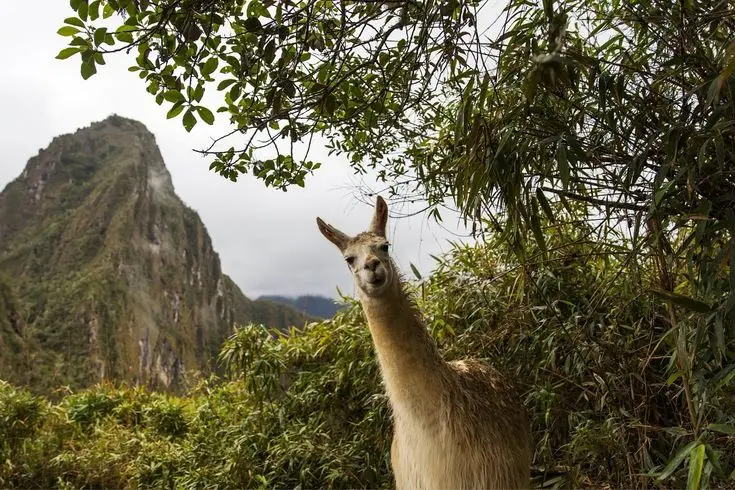
The discovery of Machu Picchu remains one of the most fascinating stories in modern archaeology. Although the ancient Inca citadel had never been completely forgotten by local communities, it became internationally known after American explorer Hiram Bingham visited the site in 1911. His expedition introduced the world to what is now recognized as the Historic Sanctuary of Machu Picchu, forever changing the course of archaeological research and Machu Picchu tourism.
Today, historians agree that while Bingham did not «discover» Machu Picchu in the literal sense, he played a crucial role in documenting, studying, and promoting the site internationally through academic publications and articles in National Geographic Magazine.
When Was Machu Picchu Discovered?
One of the most frequently searched questions online is when Machu Picchu discovered actually happened. The answer depends on how the word «discovered» is interpreted.
The Inca citadel was built during the reign of Emperor Pachacuti around the mid-15th century and remained occupied for several decades before being abandoned during the Spanish conquest. For centuries, local farming families continued living near the ruins and knew of their existence. However, the wider international community remained largely unaware of the site until July 24, 1911, when Hiram Bingham reached Machu Picchu during an expedition sponsored by Yale University.
Therefore: Built around 1450 AD; internationally documented July 24, 1911; UNESCO World Heritage designation 1983. Understanding when Machu Picchu was discovered helps clarify one of the most common misconceptions about Peru’s most famous archaeological site.
Who Was Hiram Bingham?
Hiram Bingham III was an American historian, explorer, and professor at Yale University. His original expedition did not specifically aim to locate Machu Picchu instead, Bingham was searching for Vilcabamba, the last refuge of the Inca Empire’s resistance against the Spanish. During his journey through the Urubamba Valley, local residents informed him about impressive stone ruins hidden high in the surrounding mountains.
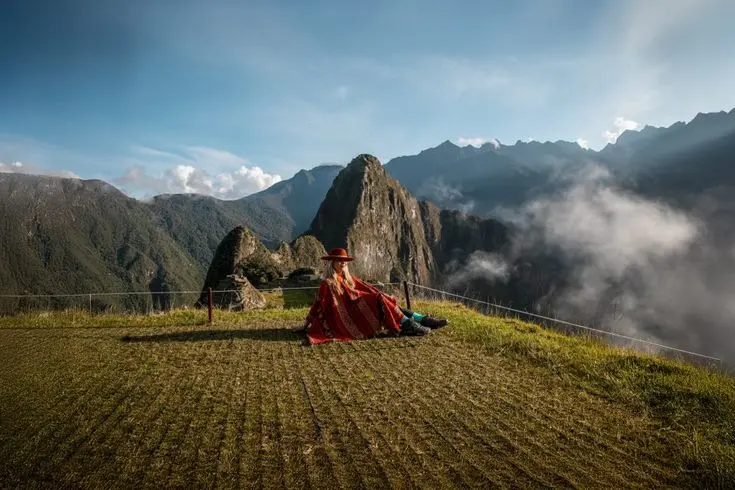
Guided by local farmer Melchor Arteaga, Bingham climbed the steep mountain on July 24, 1911, where he encountered the extraordinary Inca city now known worldwide as Machu Picchu. His photographs, detailed notes, and later publications introduced the archaeological site to an international audience.
Was Machu Picchu Really «Discovered»?
Modern historians emphasize that Machu Picchu was not an undiscovered city before Hiram Bingham arrived. Several local Quechua families had lived in the area for generations, cultivated nearby agricultural terraces, and guided explorers through the region.
For this reason, many scholars prefer to say that Hiram Bingham introduced Machu Picchu to the international scientific community rather than discovering it for the first time a distinction that has become increasingly important in discussions about the discovery of Machu Picchu and Peru’s cultural heritage.
The Role of Local Communities
The story of the Historic Sanctuary would not be complete without recognizing the contributions of local Andean communities. Historical accounts identify several individuals who helped Bingham reach the site, including Melchor Arteaga, local farming families, and indigenous Quechua residents, whose knowledge of the mountains and ancient pathways made the expedition possible. Today, historians increasingly acknowledge their essential role in the international recognition of Machu Picchu.
National Geographic and the Global Fame of Machu Picchu
One of the most significant moments in the history of Peru’s Machu Picchu occurred in 1913, when National Geographic Magazine dedicated an entire issue to Bingham’s expedition, featuring stunning photographs, archaeological drawings, expedition maps, and scientific observations.
The publication reached readers across Europe and North America, generating worldwide fascination with the Inca civilization. Many historians consider it the beginning of modern Machu Picchu tourism, and searches for Machu Picchu National Geographic Magazine remain popular among travelers interested in the site’s history.
Archaeological Research After the Discovery
Following Bingham’s expedition, numerous archaeological investigations expanded knowledge about the sanctuary’s residential sectors, religious temples, agricultural terraces, hydraulic engineering, astronomical alignments, and construction techniques. Modern technology, including laser scanning and digital mapping, has significantly improved archaeological documentation throughout the sanctuary.
Discovery Timeline
| Year | Historic Event |
| Around 1450 | Construction of Machu Picchu during Emperor Pachacuti’s reign |
| 1530s | Gradual abandonment following the Spanish conquest |
| Centuries later | Local communities continue living near the site |
| July 24, 1911 | Hiram Bingham documents Machu Picchu internationally |
| 1913 | National Geographic publishes Bingham’s expedition |
| 1981 | Historic Sanctuary officially established |
| 1983 | UNESCO declares it a World Heritage Site |
| 2007 | Machu Picchu named one of the New Seven Wonders of the World |
Visual Timeline
4. Machu Picchu Tourism in 2026: Tickets, Circuits & Visitor Limits
The Historic Sanctuary continues to welcome visitors in 2026 under updated conservation measures designed to protect one of the world’s most valuable cultural and natural heritage sites. While interest in Machu Picchu tourism remains exceptionally high, authorities have strengthened visitor management through regulated entry circuits, daily capacity limits, and advance ticket reservations, as confirmed by Peru’s official news agency.
Is Machu Picchu Closing?
One of the most common online searches is «Machu Picchu closing.» The answer is no the Historic Sanctuary remains open to visitors in 2026. Visitor access is carefully managed through conservation policies that regulate the number of people entering the sanctuary each day. Temporary operational adjustments may occur due to weather conditions, infrastructure maintenance, or safety considerations, but there is no permanent closure of Machu Picchu. Official updates are published by Peru’s Ministry of Culture. Travelers should always verify official announcements before departure, especially during the rainy season.
Machu Picchu Tickets 2026
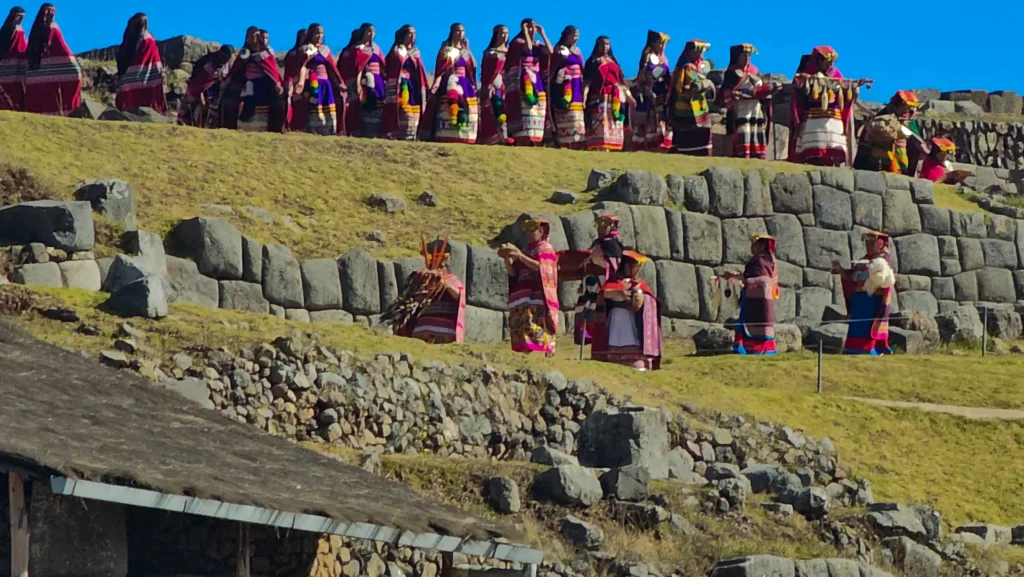
Demand for Machu Picchu tickets 2026 remains extremely high, particularly during the European summer holidays and Peru’s peak travel season. Every entrance ticket is date-specific, time-specific, circuit-specific, and linked to the visitor’s passport or identification document. Official ticket reservations are available exclusively through the Ministry of Culture’s official platform, tuboleto.cultura.pe tickets can never be purchased at the entrance of the sanctuary itself. For a full breakdown of prices by circuit, see our complete Machu Picchu admission ticket guide.
Visitor Capacity in 2026
To balance tourism and conservation, Peru maintains strict, government-verified visitor limits inside the sanctuary for 2026:
| Season | Maximum Daily Visitors |
| Regular Season | 4,500 visitors |
| High Season (Jan 1; Apr 2–5; Jun 19–Nov 2; Dec 30–31) | 5,600 visitors |
Understanding the 2026 Visitor Circuits
Since 2024, visitors explore the sanctuary through designated circuits, a system that continues into 2026 with routes now subdivided into 10 color-coded sub-circuits:
Panoramic – Circuit 1 : the classic postcard viewpoint, panoramic landscapes, Machu Picchu Mountain access, and the Sun Gate (Intipunku) during the appropriate season.

Classic Machu Picchu – Circuit 2 : the most popular option for first-time visitors, including the iconic panoramic viewpoint, the main urban sector, and most of the site’s principal archaeological monuments.

Royalty Circuit – Circuit 3: recommended for travelers interested in Huayna Picchu Mountain, the lower archaeological sector, royal ceremonial areas, and Huchuy Picchu during the high season.
Choosing the correct Machu Picchu circuit before purchasing tickets is one of the most important decisions when planning a visit.

Is Machu Picchu Sinking?
Another frequently searched question is «Is Machu Picchu sinking?» Scientific monitoring has confirmed that the sanctuary experiences natural geological movement due to its mountainous location, seasonal rainfall, and steep terrain. However, there is no evidence that Machu Picchu is collapsing or disappearing.
Peruvian authorities continuously monitor slope stability, rainfall impacts, drainage systems, and stone structures. Ongoing conservation and engineering work, overseen jointly by the Ministry of Culture and SERNANP, helps minimize risks and preserve the site’s structural stability.
Sustainable Tourism at the Historic Sanctuary
The continued success of Machu Picchu tourism depends on responsible visitor behavior. Current conservation initiatives focus on protecting archaeological structures, managing visitor flows, conserving native biodiversity, supporting nearby communities, and reducing environmental impacts reflecting UNESCO’s recommendations for protecting mixed World Heritage Sites under the World Heritage Convention.
5. Visitor Guide: How to Get to the Historic Sanctuary
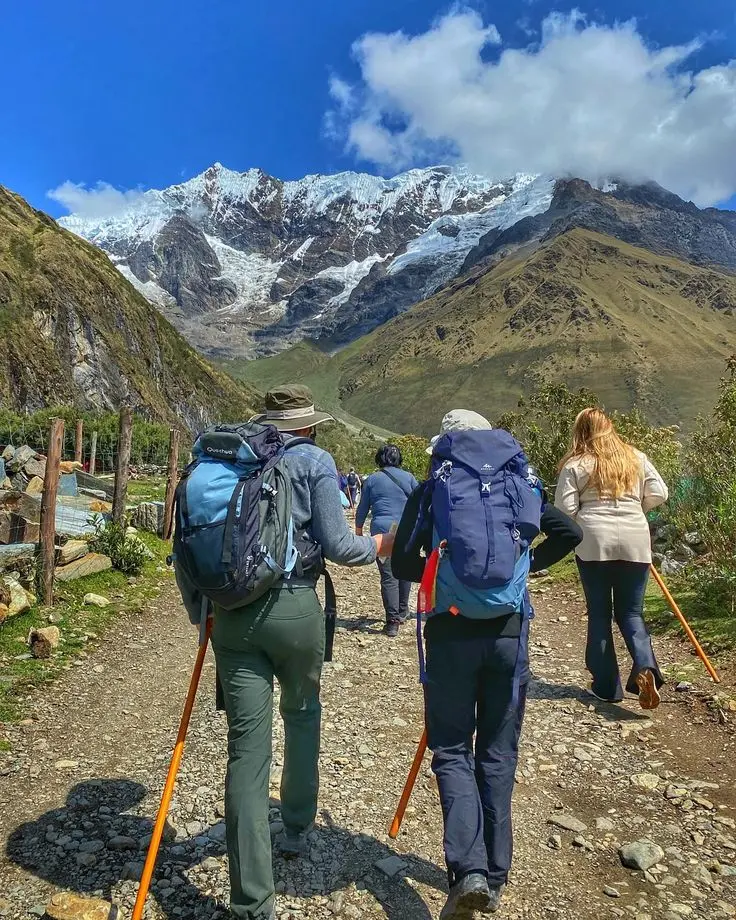
Visiting the Historic Sanctuary of Machu Picchu is a once-in-a-lifetime experience, but proper planning is essential. The sanctuary can only be reached by train or on foot via authorized trekking routes such as the Inca Trail — or its popular alternative, the Salkantay Trek.
1 – Arrive in Cusco: most international travelers first fly to Cusco, the former capital of the Inca Empire. Many visitors spend two or three days in Cusco to acclimatize before traveling to Machu Picchu.
2 – Travel to the Sacred Valley: from Cusco, visitors continue to Ollantaytambo, Poroy (limited services), or San Pedro Station (selected departures) the railway stations that connect travelers with Aguas Calientes.
3 – Train to Aguas Calientes: travelers can choose from several PeruRail services: the Expedition Train, Vistadome, Vistadome Observatory, or the Hiram Bingham Train, all offering spectacular views of the Sacred Valley and the Urubamba River.
4 – Shuttle Bus to Machu Picchu: from Aguas Calientes, official shuttle buses transport visitors to the entrance of the Historic Sanctuary in approximately 25 minutes.

Machu Picchu Google Maps
Before traveling, many visitors search for Machu Picchu Google Maps to better understand the location of the sanctuary. Using Google Maps can help you locate train stations, find hotels, identify bus departure points, explore nearby attractions, and plan walking routes in Aguas Calientes. Although mobile coverage is available in many areas, downloading offline maps before your trip is recommended.
Publishing note: this embed code uses Google’s output=embed method and does not require an API key.
Best Time to Visit the Historic Sanctuary
Dry Season (May–September): sunny days, excellent visibility, ideal hiking conditions, better photography, and lower rainfall also the busiest travel season, so early reservations are strongly recommended.
Shoulder Season (April and October): pleasant temperatures, fewer crowds, green landscapes, and excellent sightseeing conditions.
Rainy Season (November–March): more frequent rainfall, but lush cloud forests, fewer tourists, mist-covered scenery, and easier hotel availability. Waterproof clothing is recommended.
What to Bring
Original passport, Machu Picchu entrance ticket, comfortable hiking shoes, waterproof jacket, sun hat, sunscreen, sunglasses, a reusable water bottle (where permitted), camera, portable power bank, and insect repellent. Weather conditions can change quickly in the Andes, so dressing in layers is advisable.
Travel Tips for 2026
- Purchase Machu Picchu tickets 2026 well in advance.
- Arrive at the entrance at least 30 minutes before your scheduled entry.
- Follow your assigned visitor circuit.
- Respect all park regulations and avoid bringing prohibited items.
- Hire an authorized guide for a richer experience.
- Stay hydrated, especially if you have recently arrived in Cusco.
Need help booking? See our complete guide to Machu Picchu admission tickets for prices, circuits, and step-by-step booking instructions.
Frequently Asked Questions
What is the Historic Sanctuary of Machu Picchu?
The Historic Sanctuary of Machu Picchu is a protected area in Peru that combines the famous Inca citadel with cloud forests, biodiversity, and numerous archaeological sites. It has been a UNESCO World Heritage Site since 1983.
Where is the Historic Sanctuary of Machu Picchu?
It is located in the Cusco Region of southeastern Peru, approximately 75 kilometers northwest of Cusco City.
When was Machu Picchu discovered?
The site became internationally known on July 24, 1911, when Hiram Bingham documented it during his Yale University expedition. However, local communities had known about the ruins for generations.
Who discovered Machu Picchu?
American explorer Hiram Bingham introduced Machu Picchu to the international community in 1911, though local Quechua families, including guide Melchor Arteaga, already knew of the site.
Is Machu Picchu closing?
No. The sanctuary remains open in 2026. Visitor access is managed through reservation systems, daily capacity limits, and designated circuits to support conservation.
How do I buy Machu Picchu tickets in 2026?
Tickets should be purchased through the official Ministry of Culture platform, tuboleto.cultura.pe, or authorized tour operators. Booking several months in advance is highly recommended during peak travel periods.
How many visitors can enter Machu Picchu per day?
Up to 4,500 visitors per day during the regular season, and up to 5,600 on designated high-season dates in 2026.
Is Machu Picchu sinking?
Scientific monitoring has identified natural geological movement associated with mountainous terrain and seasonal rainfall. However, there is no evidence that the sanctuary is collapsing. Continuous conservation work helps preserve the site’s long-term stability.
Why is the Historic Sanctuary important?
It protects one of the world’s greatest archaeological sites while conserving exceptional biodiversity within the tropical Andes. Its cultural and natural significance earned UNESCO World Heritage status in 1983.
What is the best time to visit Machu Picchu?
The dry season, from May to September, generally offers the best weather. April and October are also excellent, with pleasant conditions and fewer visitors.
Final Thoughts
The Historic Sanctuary of Machu Picchu remains one of humanity’s greatest cultural and natural treasures. Its extraordinary combination of Inca architecture, spectacular mountain landscapes, rich biodiversity, and ongoing conservation efforts continues to inspire millions of travelers every year.
As Machu Picchu tourism evolves, responsible travel has become more important than ever. By respecting visitor regulations, supporting local communities, and following sustainable tourism practices, every traveler can help preserve this remarkable World Heritage Site for future generations.
Whether you are fascinated by the discovery of Machu Picchu, planning your first adventure to Peru’s Machu Picchu, or researching the latest Machu Picchu tickets 2026 information, the Historic Sanctuary offers an unforgettable experience that combines history, culture, and nature unlike anywhere else on Earth.
Browse more Machu Picchu travel guides and tourism news from our editorial team to plan your visit to the Historic Sanctuary.
Explore More Peru Travel News and Guides
Explore our travel guides, breaking tourism news, destination updates, conservation reports, and expert recommendations covering Machu Picchu, Cusco, the Sacred Valley, the Inca Trail, Lake Titicaca, the Peruvian Amazon, and many other extraordinary destinations across Peru.