Machu Picchu Elevation: How High Is It and What It Means for Your Trip

On this page
If you’re planning a trip to Peru, one of the first practical questions worth answering is: what is the elevation of Machu Picchu? It’s a fair question, since Machu Picchu is often pictured as a windswept mountaintop city floating above the clouds but the real number might surprise you. Here at Machu Picchu News, we break down the exact Machu Picchu elevation in both feet and meters, compare it to Cusco and the surrounding Andes, and explain what that altitude actually means for your health, your itinerary, and your admission tickets.
What Is the Elevation of Machu Picchu?
The Machu Picchu elevation is 2,430 meters (7,972 feet) above sea level. This is the official altitude of the famous Inca citadel, where you’ll find its iconic terraces, temples, and stone structures.
Some sources mention elevations ranging from 2,400 to 2,430 meters (7,874 to 7,972 feet) because the archaeological site covers uneven terrain. However, 2,430 meters (7,972 feet) is the most widely accepted elevation for the main citadel.
To put this into perspective, Machu Picchu sits at a moderate altitude. Although visitors arriving directly from sea level may notice the thinner air, the site is significantly lower than many other popular destinations in the Peruvian Andes, such as Cusco (3,399 m / 11,152 ft), Rainbow Mountain Vinicunca (5,200 m / 17,060 ft), and the Humantay Lake (4,200 m / 13,780 ft). This makes Machu Picchu easier to visit while still offering breathtaking mountain scenery.

What Is Machu Picchu?
Before exploring the Machu Picchu elevation, it’s helpful to understand what Machu Picchu is and why it is one of the world’s most famous archaeological sites.
Machu Picchu is a 15th-century Inca citadel built during the reign of the Inca emperor Pachacútec. It sits on a mountain ridge above the Urubamba River, in the Cusco region of Peru, surrounded by breathtaking cloud forests and towering Andean peaks.
The site features more than 150 stone structures, including temples, agricultural terraces, plazas, ceremonial areas, and residential buildings. Thanks to its remarkable architecture and historical importance, Machu Picchu was designated a UNESCO World Heritage Site in 1983 and later recognized as one of the New Seven Wonders of the World in 2007.
Although local Quechua communities had always known about the citadel, Machu Picchu gained international recognition in 1911, when American explorer Hiram Bingham documented the site with the guidance of local farmers. Today, it stands as one of the most visited and iconic destinations in South America.
Where Is Machu Picchu?
Another common search is simply where is Machu Picchu located. The citadel sits in the Cusco region of southern Peru, in the eastern slopes of the Andes Mountains, roughly 80 kilometers (50 miles) northwest of the city of Cusco.
It overlooks the Urubamba River canyon, in the transition zone between the high Andes and the edge of the Amazon rainforest which is part of why its climate is noticeably milder and more humid than Cusco’s.
Why Machu Picchu Looks Higher Than It Actually Is
One fact surprises many first-time visitors: Machu Picchu is actually lower in elevation than Cusco, the city where most travelers begin their journey.
While the Machu Picchu elevation is 2,430 meters (7,972 feet) above sea level, Cusco sits at approximately 3,399 meters (11,152 feet). This means Cusco is nearly 1,000 meters (3,280 feet) higher than the Inca citadel.
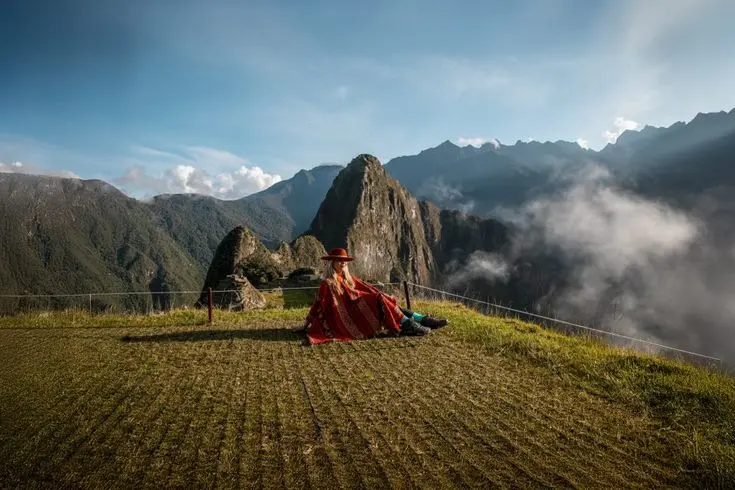
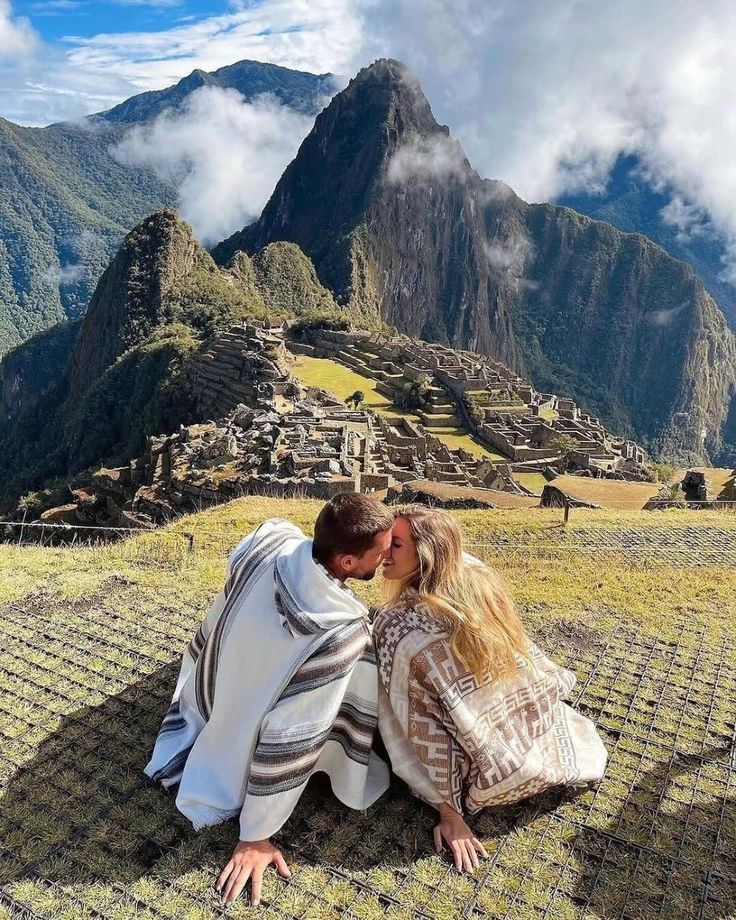
So, why does Machu Picchu seem so high? The answer lies in its spectacular setting. The ancient city stands on a narrow mountain ridge between Huayna Picchu and Machu Picchu Mountain, with the deep Urubamba River Canyon stretching far below.
This dramatic landscape creates the illusion that the citadel is perched high above the clouds, even though its elevation is moderate compared to many other destinations in the Peruvian Andes.
For this reason, many travelers find Machu Picchu easier to explore after spending time acclimatizing in Cusco, as the lower elevation often makes hiking and sightseeing more comfortable.
Machu Picchu Elevation Compared to Nearby Sites
| Location | Elevation (meters) | Elevation (feet) |
| Machu Picchu Citadel | 2,430 m | 7,972 ft |
| Aguas Calientes (Machu Picchu Town) | 2,040 m | 6,693 ft |
| Ollantaytambo | 2,792 m | 9,160 ft |
| Cusco | 3,399 m | 11,152 ft |
| Sacred Valley (range) | 2,050–3,000 m | 6,700–9,800 ft |
| Huayna Picchu (summit) | 2,693–2,720 m | 8,835–8,923 ft |
| Machu Picchu Mountain (summit) | 3,082 m | 10,111 ft |
| Rainbow Mountain (Vinicunca) | 5,036–5,200 m | 16,535–17,060 ft |
| Sacsayhuamán | 3,600–3,700 m | 11,811–12,139 ft |
| Puno (Lake Titicaca) | 3,827 m | 12,556 ft |
| Arequipa | 2,335 m | 7,661 ft |
As the table shows, the Machu Picchu elevation in feet (7,972 ft) is actually one of the lowest points most travelers will experience during a typical Cusco-based itinerary well below Cusco, Puno, and Rainbow Mountain, and only somewhat higher than the town of Aguas Calientes at the base of the citadel.

Does Machu Picchu’s Elevation Cause Altitude Sickness?
Altitude sickness, known locally as soroche, typically becomes a concern above roughly 2,500 meters (8,200 feet), which puts the elevation of Machu Picchu Peru right at the edge of that threshold.
In practice, most travelers experience little to no altitude sickness at Machu Picchu itself, especially compared to Cusco, which sits nearly 1,000 meters higher and is where most soroche symptoms actually occur.
That said, a few factors can still make the citadel feel more physically demanding than its modest elevation suggests:
- Stairs and uneven terrain: Machu Picchu’s circuits involve extensive stone stairways and inclines, which can leave visitors short of breath regardless of fitness level.
- Humidity: Because the site sits in a transitional cloud-forest zone, humidity is higher than in Cusco, which can add to the sense of exertion.
- Sun exposure: The high-altitude sun is deceptively strong, even on cool days, making sunburn a bigger risk than most visitors expect.
- Add-on hikes: Climbing Huayna Picchu (2,693–2,720 m) or Machu Picchu Mountain (3,082 m) pushes well past the elevation of the citadel itself, and altitude effects become more noticeable at those higher summits.
Tips to Prepare for the Altitude
- Spend at least 2–3 days acclimatizing in Cusco or the Sacred Valley before visiting Machu Picchu.
- Consider starting your itinerary in the lower-altitude Sacred Valley (Ollantaytambo or Urubamba) before ascending to Cusco.
- Stay well hydrated and avoid alcohol and heavy meals during your first days at altitude.
- Move at a gradual pace, especially on your first day, and rest if you feel short of breath.
- Coca tea and coca leaves are a traditional local remedy many travelers use to ease mild symptoms.
- Seek medical attention if symptoms are severe or don’t improve with rest and hydration this can indicate high-altitude pulmonary or cerebral edema, which requires immediate descent and care.

Planning Your Visit: Machu Picchu Admission Tickets
Since Machu Picchu’s elevation isn’t usually the hardest part of a visit, most of the planning effort should go toward securing your Machu Picchu admission ticket well in advance. Entry is limited daily by Peru’s Ministry of Culture, and tickets are sold by specific circuit and entry time. A few things to keep in mind:
- Book early, especially for peak season (June–August), when popular circuits and time slots can sell out weeks or months ahead.
- Choose your circuit carefully. Standard citadel tickets follow a fixed route, while add-on hikes like Huayna Picchu or Machu Picchu Mountain require a separate, limited-availability ticket.
- A guide is required for entry under current regulations, either a private guide or as part of a small group.
- Combine your ticket with transportation. Most visitors reach the site via train to Aguas Calientes followed by a short bus ride, or by hiking in via the Inca Trail or Salkantay Trek.

Machu Picchu Tours: Choosing the Right Option
Because reaching Machu Picchu involves multiple moving parts trains, entrance tickets, guides, and altitude planning most travelers choose a structured Machu Picchu tour rather than piecing together logistics on their own. Broadly, tours fall into a few categories:
- Day tours from Cusco: A full-day round trip by train, ideal for travelers with limited time.
- Multi-day Sacred Valley + Machu Picchu itineraries: Combining Pisac, Ollantaytambo, and Chinchero with an overnight stay near the citadel.
- Trekking routes: Multi-day hikes like the Classic Inca Trail or Salkantay Trek that arrive at Machu Picchu on foot, offering a completely different and considerably higher-altitude experience along the way.
- Luxury tours: Including premium trains like the Hiram Bingham and five-star accommodations in the Sacred Valley or at the entrance to the citadel itself.
Frequently Asked Questions
- What is the elevation of Machu Picchu in feet?
The Machu Picchu elevation in feet is 7,972 ft (2,430 meters above sea level), referring to the main archaeological citadel. - Is Machu Picchu higher than Cusco?
No. Cusco sits at approximately 3,399 meters (11,152 feet), nearly 1,000 meters higher than Machu Picchu’s elevation of 2,430 meters (7,972 feet). - Can you get altitude sickness at Machu Picchu?
It’s possible, but altitude sickness is far less common at Machu Picchu than in Cusco, since the citadel’s elevation is considerably lower. Most symptoms travelers experience during a Peru trip occur in Cusco or at higher points like Rainbow Mountain, rather than at Machu Picchu itself. - What is the elevation of Huayna Picchu and Machu Picchu Mountain?
Huayna Picchu, the iconic peak behind the citadel, reaches approximately 2,693–2,720 meters (8,835–8,923 feet). Machu Picchu Mountain, on the opposite side, reaches 3,082 meters (10,111 feet), making it the higher and more strenuous of the two optional hikes. - How does the elevation of Machu Picchu compare to Rainbow Mountain?
Rainbow Mountain (Vinicunca) sits at roughly 5,036 to 5,200 meters (16,535–17,060 feet), more than double the elevation of Machu Picchu, making it a significantly more demanding high-altitude hike. - Do I need to acclimatize before visiting Machu Picchu?
Since Machu Picchu’s own elevation is moderate, acclimatization is more important for the parts of your trip that take place at higher elevation Cusco, Puno, or Rainbow Mountain than for the citadel itself. Still, spending a couple of days at altitude beforehand is good practice for the trip overall.
Stay Informed with Machu Picchu News
Now that you know exactly how high Machu Picchu sits and why it feels higher than it is you’re ready to start planning the rest of your Peru itinerary with confidence.
Machu Picchu News covers the practical details every traveler needs before visiting the citadel: elevation, ticket rules, seasonal updates, trail closures, and everything else that can affect your trip.
Check back regularly for the latest updates, or browse our other travel guides for in-depth planning advice on every stop along the way. And Machu Picchu is just the beginning. Peru’s most unforgettable destinations pair perfectly with a Machu Picchu trip:
- Cusco, the historic Inca capital and gateway to the entire region.
- The Sacred Valley, home to Pisac, Ollantaytambo, and centuries of Inca terraces.
- Rainbow Mountain (Vinicunca), the striped, high-altitude peak that’s become one of Peru’s most photographed natural wonders.
- Humantay Lake, a turquoise glacial lake set beneath the Salkantay mountain range.
- Puno and Lake Titicaca, the highest navigable lake in the world and home to the floating Uros Islands.
- Arequipa, the «White City,» gateway to the dramatic Colca Canyon.
- Lima, Peru’s culinary capital and the point of arrival for most international travelers.
- Ica and Paracas, home to the desert dunes of Huacachina and the coastal wildlife of the Ballestas Islands.
- Tambopata, a gateway into the Peruvian Amazon rainforest and its extraordinary biodiversity.
Follow Machu Picchu News for ongoing coverage of these destinations as you plan a Peru itinerary that goes well beyond the citadel itself.