
Attractions in Peru South America: Best Places to Visit and Things to Do

On this page
Peru combines ancient civilisations, extraordinary landscapes, diverse ecosystems and living traditions within one remarkably varied South American country. Travellers can explore Andean cities, archaeological sites, Pacific deserts, tropical rainforest and some of the world’s highest navigable lakes.
Among the many attractions in Peru South America, Machu Picchu remains the country’s most internationally recognised destination. However, Peru extends far beyond its famous Inca citadel, offering experiences across the Andes, Amazon and Pacific coastline.
For European travellers researching Peru travel and tourism, this diversity makes the country suitable for cultural journeys, trekking holidays, wildlife adventures and culinary trips. A single itinerary can connect Lima, Cusco, the Sacred Valley, Machu Picchu, Lake Titicaca and southern Peru.
This guide explores the best places to visit in Peru, including iconic landmarks and lesser-known destinations. It also explains what makes each location distinctive and how travellers can combine them efficiently.
Quick Answer: What Are the Best Attractions in Peru?
For first-time visitors, the country’s essential destinations include Machu Picchu, Cusco, the Sacred Valley, Lima, Lake Titicaca, Arequipa, Colca Canyon, Paracas, Huacachina, Nazca and the Peruvian Amazon.
Travellers interested in archaeology should prioritise Cusco, Machu Picchu and the Sacred Valley. Nature-focused visitors can combine the Andes with Colca Canyon, Lake Titicaca and the Amazon rainforest.
These destinations represent only part of the country’s enormous tourism offering. Northern Peru also contains major archaeological complexes, beaches, cloud forests and pre-Inca cultural heritage.
Peru Tourist Attractions at a Glance
| Destination | Región | Best For | Recommended Stay |
| Machu Picchu | Cusco | Archaeology and history | 1–2 days |
| Cusco | Cusco | Inca and colonial heritage | 2–4 days |
| Sacred Valley | Cusco | Archaeology and landscapes | 1–2 days |
| Rainbow Mountain | Cusco | High-altitude scenery | 1 day |
| Humantay Lake | Cusco | Hiking | 1 day |
| Lima | Lima | Gastronomy and history | 2–3 days |
| Paracas | Ica | Wildlife and coast | 1–2 days |
| Huacachina | Ica | Desert adventures | 1–2 days |
| Nazca Lines | Ica | Ancient mysteries | 1 day |
| Arequipa | Arequipa | Architecture and food | 2–3 days |
| Colca Canyon | Arequipa | Condors and trekking | 2–3 days |
| Lake Titicaca | Puno | Andean culture | 2 days |
| Amazon Rainforest | Multiple regions | Wildlife and nature | 3–5 days |
| Huascarán | Áncash | Mountain trekking | 3–7 days |
| Kuélap | Amazonas | Pre-Inca archaeology | 1–2 days |
This structure immediately answers broad searches such as Peru tourist attractions, Peru sightseeing places, Peru main tourist attractions and places to see in Peru.
1. Machu Picchu – Peru’s Most Famous Archaeological Attraction
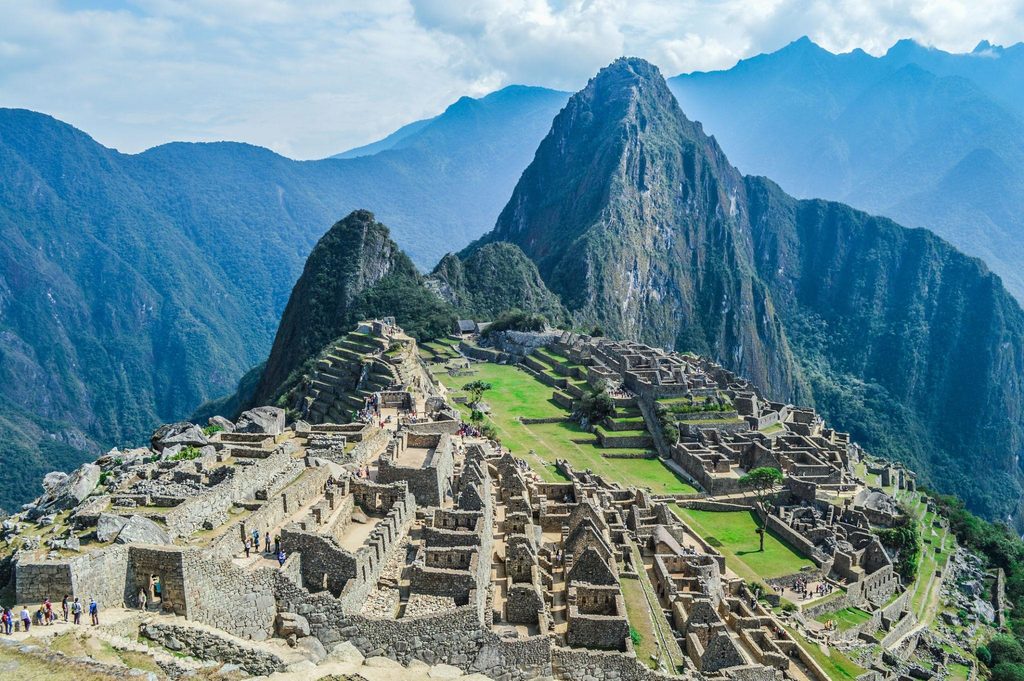
Machu Picchu stands among the most recognisable archaeological destinations anywhere in South America. The Inca complex occupies a dramatic mountain setting between the Andes and the upper Amazon basin.
Built during the 15th century, the site contains temples, residences, plazas, terraces and sophisticated water-management structures. Its architecture demonstrates how Inca builders adapted their settlements to challenging mountain environments.
For travellers comparing the top tourist attractions in Peru, Machu Picchu usually occupies the first position. UNESCO inscribed the Historic Sanctuary of Machu Picchu on the World Heritage List in 1983.
Visitors should distinguish Machu Picchu archaeological site from Machu Picchu Mountain and Huayna Picchu. The latter two involve separate hiking routes associated with specific admission options.
2. Cusco – Historic Capital of the Inca Empire

Cusco deserves several days rather than serving simply as a departure point for Machu Picchu. The city preserves remarkable layers of Inca, colonial and contemporary Andean culture.
Travellers can explore Qorikancha, Sacsayhuamán, San Blas, traditional markets and the historic centre. Inca stone foundations remain visible beneath numerous colonial buildings throughout central Cusco.
Cusco also provides access to several important Peru attractions, including Rainbow Mountain, Humantay Lake and the Sacred Valley. This concentration makes the region particularly useful for travellers with limited holiday time.
For Europeans planning their first Andean journey, spending several days here also provides valuable time for altitude acclimatisation before demanding hikes.
3. Sacred Valley of the Incas
The Sacred Valley stretches through fertile Andean landscapes northwest of Cusco. Its archaeological sites and traditional communities make it one of the essential tourist sights in Peru.
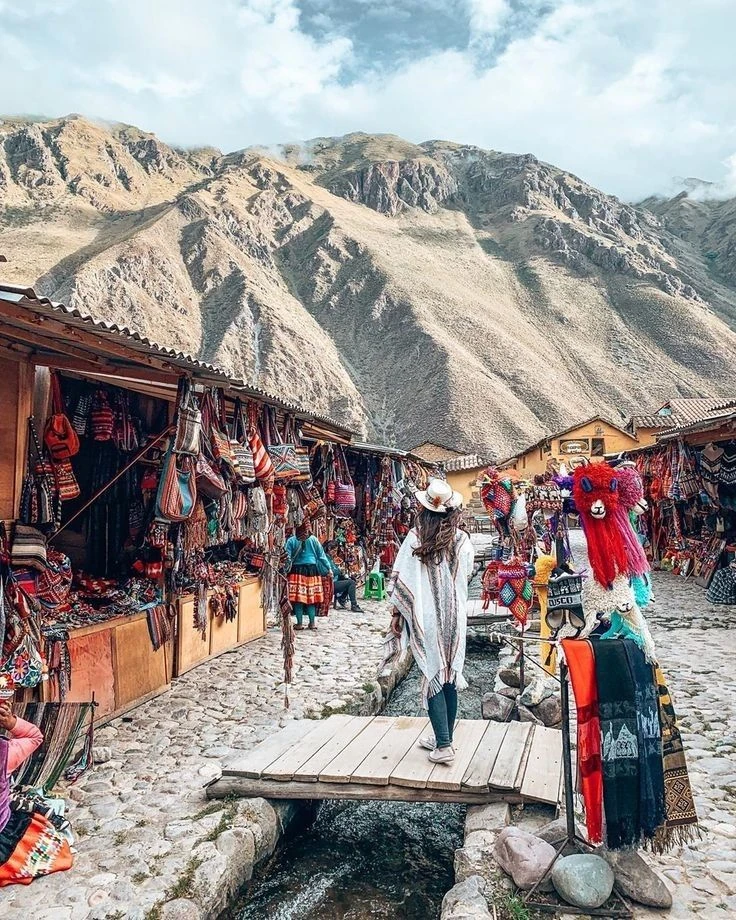
Pisac combines extensive Inca ruins with a modern Andean town below. Ollantaytambo preserves extraordinary terraces and one of Peru’s most distinctive historic urban layouts.
Moray contains unusual circular agricultural terraces, while Maras remains famous for thousands of hillside salt pools. Chinchero adds archaeological remains, colonial heritage and enduring textile traditions.
Many travellers combine these Peruvian attractions before continuing by train toward Machu Picchu. Spending one or two nights within the valley also creates a slower alternative to visiting everything from Cusco.
4. Rainbow Mountain
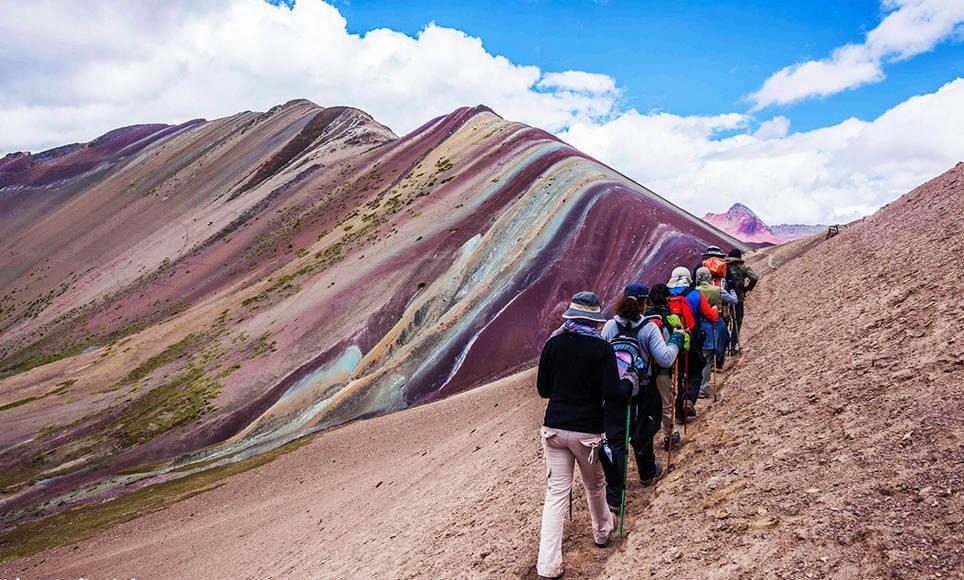
Vinicunca became one of southern Peru’s best-known natural attractions after its multicoloured slopes gained international attention. Mineral-rich geological layers create the mountain’s distinctive appearance.
However, travellers should consider altitude carefully. The viewpoint stands above 5,000 metres, making the excursion significantly more demanding than an ordinary sightseeing tour.
Those seeking quieter things to do in Peru can consider Palccoyo as an alternative. Its landscapes differ from Vinicunca while offering another perspective on the colourful high Andes.
5. Humantay Lake
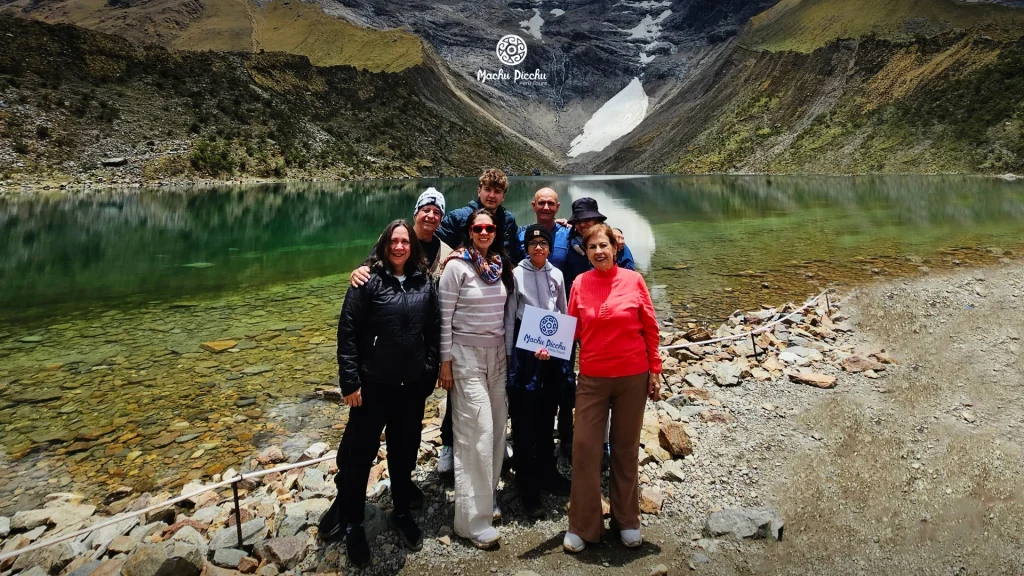
Humantay Lake lies beneath dramatic snow-covered peaks within the Vilcabamba mountain range. Its turquoise water has made it a popular day excursion from Cusco.
The hike is relatively short but demanding because of altitude and steep terrain. Visitors should acclimatise beforehand and prepare for rapidly changing mountain weather.
For active travellers researching Peru things to do, Humantay combines trekking with high-Andean scenery. Longer journeys through this region can connect with the Salkantay route toward Machu Picchu.
6. Lima – History, Pacific Coast and Peruvian Gastronomy

Lima frequently serves as the international gateway to Peru, but treating the capital purely as a transit point misses an important destination. The city offers archaeology, colonial architecture, museums, Pacific scenery and internationally recognised gastronomy.
The historic centre contains Plaza Mayor, religious monuments and important colonial buildings. Miraflores offers coastal views, while Barranco combines historic architecture with galleries, restaurants and nightlife.
Lima also provides an unusual opportunity to encounter archaeology without leaving the modern city. Sites such as Huaca Pucllana reveal how pre-Hispanic societies occupied this coastline long before Spanish colonisation.
Travellers researching things to see and do in Peru should reserve at least two days for Lima. Food-focused travellers could easily justify a longer stay.
7. Paracas and the Ballestas Islands
Paracas reveals a completely different side of Peru. Desert landscapes meet the Pacific Ocean along a coastline inhabited by numerous marine species.
Boat excursions toward the Ballestas Islands provide opportunities to observe sea lions and seabirds. The nearby Paracas National Reserve protects important coastal and marine ecosystems.
The destination combines naturally with Huacachina because both lie south of Lima. This makes Paracas particularly convenient for travellers creating a broader southern Peru itinerary.
8. Huacachina – Peru’s Desert Oasis

Huacachina sits among enormous sand dunes near the city of Ica. Its lagoon and surrounding desert create one of Peru’s most unusual landscapes. Popular activities include sandboarding and dune excursions. Travellers can also use Ica as a base for exploring vineyards and learning about Peru’s pisco tradition.
Huacachina therefore offers a striking contrast with the mountainous landscapes around Cusco. Combining both regions demonstrates the geographic diversity behind the country’s growing tourism appeal.
9. Nazca Lines
The Nazca Lines form one of South America’s most intriguing archaeological landscapes. Ancient inhabitants created enormous geoglyphs across the arid coastal plain.
Figures include animals, geometric designs and extensive straight lines. Their scale becomes particularly apparent from the air, although terrestrial viewpoints also exist.
The geoglyphs remain essential for travellers interested in ancient cultures beyond the Incas. They also demonstrate why Peru’s archaeological significance extends far outside Cusco.
10. Arequipa – The White City

Arequipa’s historic architecture, volcanic surroundings and distinctive cuisine make it one of the best destinations in Peru. Much of its historic centre features pale volcanic stone known locally as sillar.
The Santa Catalina Monastery ranks among the city’s most remarkable architectural attractions. Plaza de Armas and nearby historic streets provide further opportunities for walking exploration.
Volcanoes dominate the surrounding landscape, particularly Misti. Arequipa also serves as the principal gateway to Colca Canyon.
11. Colca Canyon
Colca Canyon combines spectacular Andean scenery with traditional communities, agricultural terraces and wildlife. Visitors commonly travel here from Arequipa.
The Andean condor provides the region’s most famous wildlife experience. Cruz del Cóndor is a well-known observation area where visitors may see these enormous birds using thermal currents.
Travellers can choose between sightseeing itineraries and more physically demanding trekking routes. This flexibility makes Colca one of southern Peru’s strongest nature destinations.
12. Lake Titicaca

Lake Titicaca stretches across the border between Peru and Bolivia at approximately 3,812 metres above sea level. Its extraordinary altitude and cultural significance attract travellers to the Puno region.
Visitors can explore communities associated with the Uros floating islands and travel farther toward Taquile. Local traditions, textiles and agricultural practices remain central elements of the experience.
Puno combines naturally with Cusco on overland itineraries through southern Peru. Travellers should again account for altitude when planning their schedule.
13. The Peruvian Amazon
Peru contains an enormous portion of the Amazon basin, giving travellers access to rainforest environments far removed from the country’s famous Andean imagery.
Puerto Maldonado provides access to Tambopata in southeastern Peru. Iquitos, reachable primarily by air or river, serves as another major gateway farther north.
Rainforest experiences can include guided forest walks, river excursions and wildlife observation. Species vary considerably according to ecosystem, location and season.
The Amazon therefore deserves inclusion among the best places in Peru, especially for travellers seeking biodiversity rather than archaeology alone.
14. Huascarán National Park and the Cordillera Blanca
The Cordillera Blanca contains some of the highest tropical mountains on Earth. Huascarán, Peru’s highest mountain, rises to 6,768 metres.
Huaraz serves as the main base for exploring this extraordinary mountain region. Popular excursions range from day hikes to demanding multi-day trekking routes.
Travellers seeking less conventional Peru sightseeing places should strongly consider Áncash. The region provides a natural continuation for visitors who want to explore Peru beyond the classic southern circuit.
15. Kuélap and Northern Peru

Northern Peru receives considerably less international attention than Cusco but contains exceptional archaeological and natural attractions. Kuélap represents one of its most important cultural landmarks.
The fortified archaeological complex is associated with the Chachapoya culture, which flourished long before Inca domination of the region. Its massive walls and mountaintop setting create a dramatically different experience from Inca architecture.
Travellers can combine the archaeological sites around Chachapoyas with Gocta Waterfall and surrounding cloud forests. This region suits repeat visitors searching for interesting places in Peru beyond established itineraries.
What Are the Top 10 Places to Visit in Peru?
For travellers searching for the top 10 places to go in Peru, a balanced first-trip selection would include:
- Machu Picchu
- Cusco
- Sacred Valley
- Lima
- Lake Titicaca
- Arequipa
- Colca Canyon
- Paracas
- Huacachina
- Peruvian Amazon
This selection combines archaeology, culture, cities, food, mountains, desert, wildlife and rainforest. Travellers with additional time can add Nazca, Huaraz, Chachapoyas and northern Peru.
Best Peru Attractions by Travel Style
| Travel Interest | Recommended Destinations |
| Archaeology | Machu Picchu, Cusco, Sacred Valley, Nazca, Kuélap |
| Hiking | Huaraz, Colca Canyon, Salkantay, Humantay, Rainbow Mountain |
| Wildlife | Amazon, Paracas, Ballestas Islands, Colca |
| Culture | Cusco, Sacred Valley, Puno, Arequipa |
| Food | Lima, Arequipa, Cusco |
| Photography | Machu Picchu, Andes, Huacachina, Paracas, Lake Titicaca |
| Adventure | Cusco, Huaraz, Huacachina, Amazon |
| First visit | Lima, Cusco, Sacred Valley, Machu Picchu |
| Longer trip | Southern Peru + Amazon + northern Peru |
How Many Days Do You Need in Peru?
A seven-day itinerary works best when travellers concentrate on Lima, Cusco, the Sacred Valley and Machu Picchu. Trying to cover the entire country within one week creates unnecessary travel time.
With 10 days, visitors can add destinations such as Paracas, Huacachina, Lake Titicaca or Arequipa. A two-week journey provides considerably more flexibility. Travellers with three weeks can combine the classic southern circuit with the Amazon or northern Peru. This schedule better reflects the enormous distances between many tourist locations in Peru.
Best Time to Visit Peru
There is no single perfect month for every destination because Peru contains dramatically different climates. Conditions along the Pacific coast differ considerably from those in the Andes and Amazon.
For Andean destinations, travellers often favour the drier months between approximately May and September. However, these months also overlap with periods of strong tourism demand.
The Amazon remains warm and humid throughout the year, while Lima experiences its own coastal climatic patterns. Travellers should therefore choose dates according to their primary destinations rather than treating Peru as one climatic region.
Frequently Asked Questions About Peru
- What are the main tourist attractions in Peru?
Machu Picchu, Cusco, the Sacred Valley, Lima, Lake Titicaca, Arequipa, Colca Canyon and the Amazon rank among Peru’s principal attractions.
- What is the number one tourist attraction in Peru?
Machu Picchu is Peru’s most internationally recognised tourist attraction and one of South America’s best-known archaeological sites.
- What are the best places to visit in Peru for first-time travellers?
Lima, Cusco, the Sacred Valley and Machu Picchu create an excellent first itinerary. Travellers with additional time can include Arequipa, Puno or the Amazon.
- Is Peru worth visiting besides Machu Picchu?
Absolutely. Peru contains pre-Inca archaeological sites, Amazon rainforest, Pacific deserts, colonial cities, high-altitude lakes and some of South America’s most impressive mountains.
- What are the best things to do in Peru?
Popular experiences include exploring archaeological sites, hiking in the Andes, visiting Amazon rainforest, discovering Peruvian cuisine and exploring traditional communities.
- What are Peru’s must-see attractions?
Machu Picchu and Cusco are essential for most first-time travellers. The Sacred Valley, Lake Titicaca, Arequipa, Colca and Amazon provide strong additions.
- How long should Europeans spend in Peru?
Around 10–14 days provides enough time for a substantial first journey. Longer itineraries of two or three weeks allow slower acclimatisation and greater geographic diversity.
Final Thought: Why Peru Deserves More Than One Trip
The extraordinary variety of attractions in Peru South America makes the country much more than a single-destination journey. Machu Picchu may inspire the first visit, but Peru’s diversity often becomes the greater discovery.
Ancient archaeological landscapes coexist with Amazon rainforest, Pacific deserts, snow-covered mountains and culturally vibrant cities. Every region provides a different perspective on Peru’s history, geography and contemporary identity.
Travellers researching Peru places to visit should therefore avoid concentrating exclusively on Machu Picchu. Cusco, the Sacred Valley, Arequipa, Puno, Ica, Áncash, Amazonas and the rainforest can transform a simple holiday into a much broader journey through Peru.
For European travellers crossing the Atlantic, a longer itinerary often makes practical sense. Combining several regions maximises the journey while revealing why Peru remains one of South America’s most diverse destinations.


