South America: The Ultimate Travel Guide to the Continent’s Most Incredible Destinations


On this page
South America is a continent of breathtaking landscapes, ancient civilizations, vibrant cities, and unforgettable cultural experiences. Whether you dream of hiking to Machu Picchu, exploring the Amazon Rainforest, dancing tango in Argentina, or watching Patagonia’s glaciers calve into turquoise lakes, the continent offers something for nearly every kind of traveler.
Stretching from the Caribbean Sea to the southern tip of Patagonia, South America packs an extraordinary range of geography into one landmass: snow-capped Andean peaks, the driest desert on Earth, the world’s largest rainforest, and colonial cities layered with centuries of history. Among all of these destinations, Peru consistently stands out as one of the most complete countries to visit combining archaeological wonders, dramatic mountain scenery, world-renowned gastronomy, and rich living traditions in a single, well-connected trip.
This guide covers everything you need to plan a trip: where South America is located, its geography and map, how many countries make up the continent, the best destinations in each one, sample itineraries, and why Peru so often ends up at the center of a South America adventure.

Where Is South America?
South America sits in the Western Hemisphere, primarily south of the Equator, bordered by the Caribbean Sea to the north, the Atlantic Ocean to the east, the Pacific Ocean to the west, and the Southern Ocean and Drake Passage to the south. The continent covers approximately 17.84 million square kilometers (6.89 million square miles), making it the fourth-largest continent in the world after Asia, Africa, and North America.
South America is home to some of the planet’s most famous natural landmarks, including the Amazon Rainforest, the Andes Mountains, Angel Falls, the Atacama Desert, Iguazu Falls, Patagonia, Lake Titicaca, and Machu Picchu a lineup that makes the continent a magnet for nature lovers, history enthusiasts, and adventure seekers alike.
South America Map: Geography and Regions
A South America map makes it much easier to understand the continent’s geography and plan a realistic multi-country itinerary. The continent stretches nearly 7,600 kilometers (4,700 miles) from north to south, creating a remarkable variety of climates and ecosystems across its major regions:
- The Andes Mountains: The longest continental mountain range on Earth, running the length of the continent’s western edge.
- The Amazon Basin: Home to the world’s largest rainforest, spanning Brazil, Peru, Colombia, Ecuador, Bolivia, and the Guianas.
- Patagonia:The glacier-carved southern tip shared by Argentina and Chile.
- The Pampas: The fertile grasslands of central Argentina and Uruguay.
- The Atacama Desert: The driest non-polar desert on Earth, in northern Chile.
- The Pantanal Wetlands:The world’s largest tropical wetland, mostly in Brazil.
- The Brazilian Highlands: A vast plateau covering much of interior Brazil.
Because many of these destinations are connected by international flights and overland routes, travelers often combine several countries into a single trip rather than confining themselves to just one.

How Many Countries Are in South America?
One of the most common questions travelers ask before planning a trip is: how many countries are in South America? The continent consists of 12 sovereign countries, plus French Guiana, an overseas department of France on the continent’s northeastern coast that is sometimes included in broader counts.
| Country | Capital |
| Argentina | Buenos Aires |
| Bolivia | Sucre (constitutional) / La Paz (administrative) |
| Brazil | Brasília |
| Chile | Santiago |
| Colombia | Bogotá |
| Ecuador | Quito |
| Guyana | Georgetown |
| Paraguay | Asunción |
| Peru | Lima |
| Suriname | Paramaribo |
| Uruguay | Montevideo |
| Venezuela | Caracas |
Quick Facts About South America
| Feature | Information |
| Area | 17.84 million km² |
| Population | More than 440 million people |
| Number of countries | 12 sovereign countries |
| Largest country | Brazil |
| Highest mountain | Aconcagua (Argentina) |
| Longest mountain range | The Andes |
| Largest rainforest | Amazon Rainforest |
| Largest river | Amazon River |
| Highest navigable lake | Lake Titicaca (Peru & Bolivia) |
| UNESCO Wonder | Machu Picchu (Peru) |
What Countries Are in South America? Best Destinations by Country
Each of the continent’s countries offers a distinct set of landscapes, history, and culture. Here’s a quick overview of what each is best known for:
- Argentina: Patagonia, tango, the Mendoza wine region, the Perito Moreno Glacier, and vibrant Buenos Aires. Best for nature lovers, road trips, wine tourism, and hiking.

- Brazil: the Amazon Rainforest, Rio de Janeiro, Christ the Redeemer, Copacabana Beach, Iguazu Falls, and the Pantanal. A destination that combines biodiversity with beaches, music, and festivals.

- Chile: stretching over 4,300 kilometers, Chile ranges from the Atacama Desert in the north to Torres del Paine and the Lake District in the south, plus Easter Island. Ideal for stargazing, hiking, and adventure travel.
- Colombia: one of the fastest-growing tourism destinations on the continent, known for Cartagena’s colonial architecture, Medellín, Bogotá, the coffee region, Cocora Valley, and Tayrona National Park.
- Bolivia: home to the otherworldly Salar de Uyuni salt flats, a share of Lake Titicaca, La Paz, Sucre, and Madidi National Park, perfect for off-the-beaten-path travelers.
- Ecuador: compact but remarkably diverse, with the Galápagos Islands, Quito, Cotopaxi Volcano, the Otavalo Market, and its own slice of the Amazon Rainforest.
- Peru: widely considered one of the continent’s most complete destinations (see the dedicated section below).
- Uruguay: Montevideo, Punta del Este, Colonia del Sacramento, and relaxed Atlantic beaches.
- Paraguay: the Jesuit Missions, the Itaipu Dam, Asunción, and quiet nature reserves.
- Guyana: Kaieteur Falls, rainforest, wildlife, and growing eco-tourism.
- Suriname: Dutch colonial architecture, tropical forests, and river expeditions.
- Venezuela: when travel conditions permit, Angel Falls, Canaima National Park, Caribbean beaches, and the Los Roques Archipelago.
Comparison of the Best South America Countries
| Country | Best For | Must-See Attraction |
| Peru | History, culture, adventure | Machu Picchu, Nazca Lines, Manu National Reserve,Titicaca Lake |
| Argentina | Patagonia, wine, glaciers | Perito Moreno Glacier |
| Brazil | Beaches, rainforest, festivals | Christ the Redeemer |
| Chile | Hiking, deserts, national parks | Torres del Paine |
| Colombia | Colonial cities, coffee, beaches | Cartagena |
| Bolivia | Unique landscapes | Salar de Uyuni |
| Ecuador | Wildlife and volcanoes | Galápagos Islands |
| Uruguay | Beaches and relaxation | Punta del Este |
| Paraguay | Nature and history | Itaipu Dam |
| Guyana | Eco-tourism | Kaieteur Falls |
| Suriname | Rainforest | Paramaribo |
| Venezuela | Natural wonders | Angel Falls |
Peru: The Jewel of South America
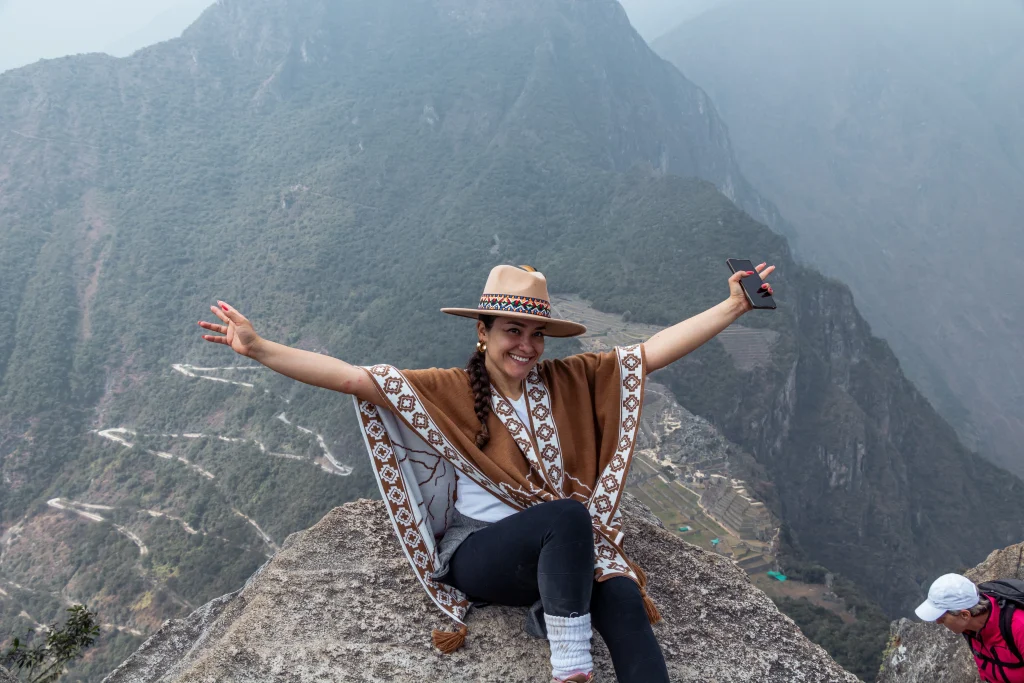
Among all the countries in South America, Peru consistently ranks as the top pick for travelers who want the widest possible range of experiences within a single trip. Unlike many destinations that specialize in just one type of landscape or activity, Peru allows visitors to move between ancient Inca cities, colonial architecture, snow-capped mountains, tropical rainforest, coastal desert, and high-altitude lakes all within a relatively compact and well-connected travel circuit.
Why Peru stands out:
- Home to Machu Picchu, one of the New Seven Wonders of the World.
- Extraordinary biodiversity, from the Pacific coast to the Peruvian Amazon.
- Rich Inca history and world-class archaeological sites.
- One of the world’s leading gastronomic destinations.
- Excellent value for money compared to many neighboring countries.
- Well suited to luxury, family, adventure, and cultural travel alike.
| Experience | Peru Offers |
| Ancient history & archaeology | ***** |
| Adventure tourism & hiking | ***** |
| Wildlife | ***** |
| Gastronomy | ***** |
| Luxury travel | ***** |
| Family travel | ***** |
| Cultural experiences | ***** |
| Scenic landscapes | ***** |
Machu Picchu
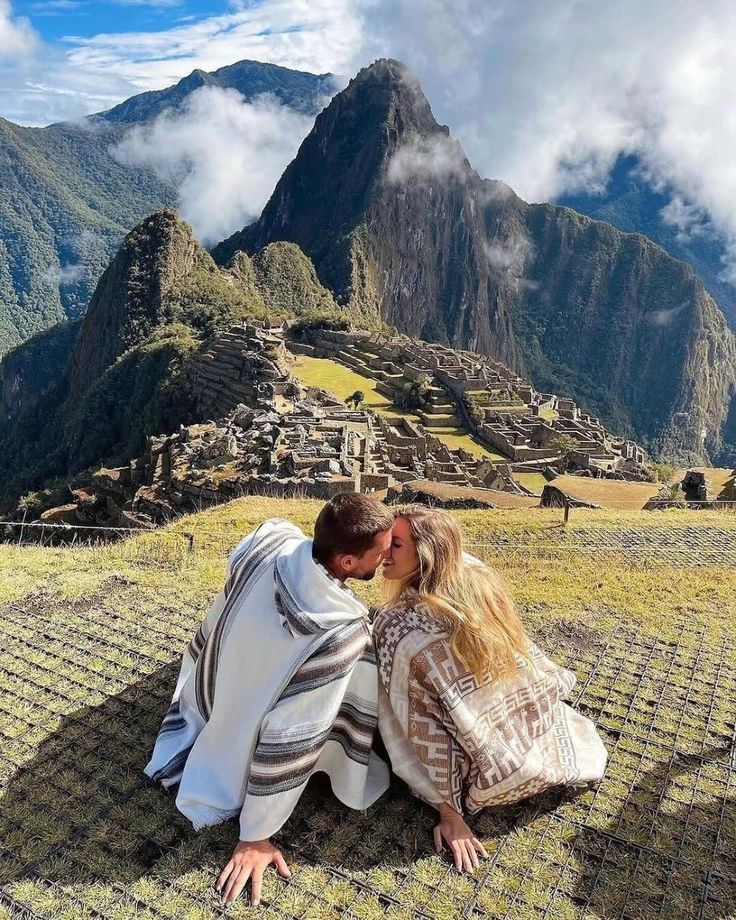
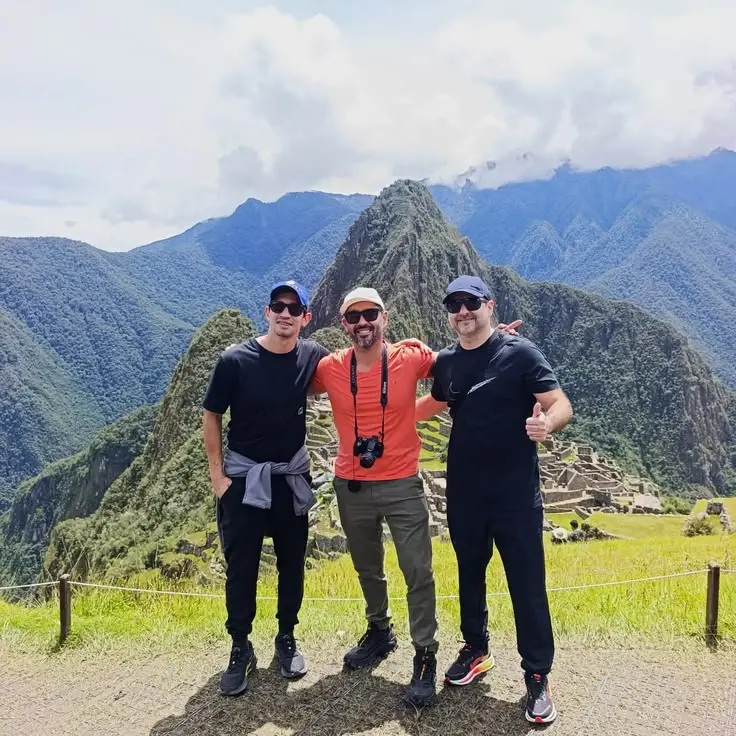
No trip to South America feels complete without visiting Machu Picchu, one of the New Seven Wonders of the World and Peru’s most famous attraction. Built in the 15th century by the Inca civilization, this archaeological sanctuary is one of the most remarkable attractions in Peru South America. It sits high in the Andes above the Urubamba River, surrounded by dramatic mountain scenery. Visitors can explore its temples and agricultural terraces, learn about Inca engineering, and enjoy some of the continent’s most photographed views.
Cusco
Most travelers spend several days in Cusco, a UNESCO World Heritage Site and the historic capital of the Inca Empire, before continuing on to Machu Picchu. The city blends original Inca stonework with Spanish colonial architecture, and top attractions include the Plaza de Armas, Qorikancha, Sacsayhuamán, Q’enqo, Puka Pukara, Tambomachay, the San Blas neighborhood, and San Pedro Market. Cusco also serves as the ideal base for acclimatizing before heading to higher-altitude destinations.

Sacred Valley
The Sacred Valley was one of the most important agricultural and spiritual regions of the Inca Empire, and today remains one of Peru’s most visited areas thanks to its scenery and archaeological sites including Pisac, Ollantaytambo, Moray, the Maras Salt Mines, and Chinchero. It’s an excellent destination for cultural immersion, local markets, hiking, and photography.

Rainbow Mountain
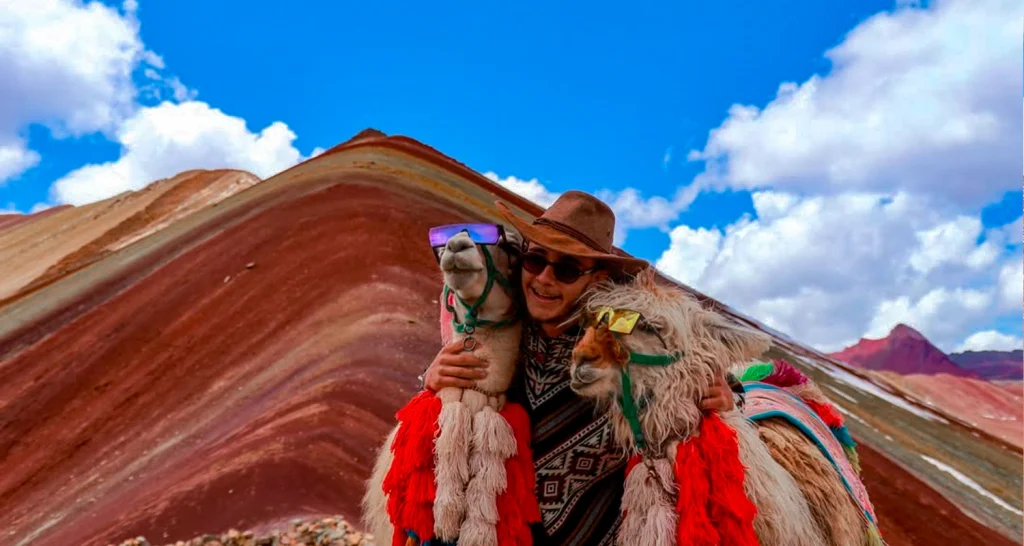
Known locally as Vinicunca, Rainbow Mountain has become one of Peru’s most popular natural attractions thanks to its striped, multicolored slopes. Travelers hike through the high Andes to reach the summit viewpoint, often spotting alpacas and llamas and passing through traditional Andean communities along the way making it one of the most requested day trips from Cusco.
Humantay Lake
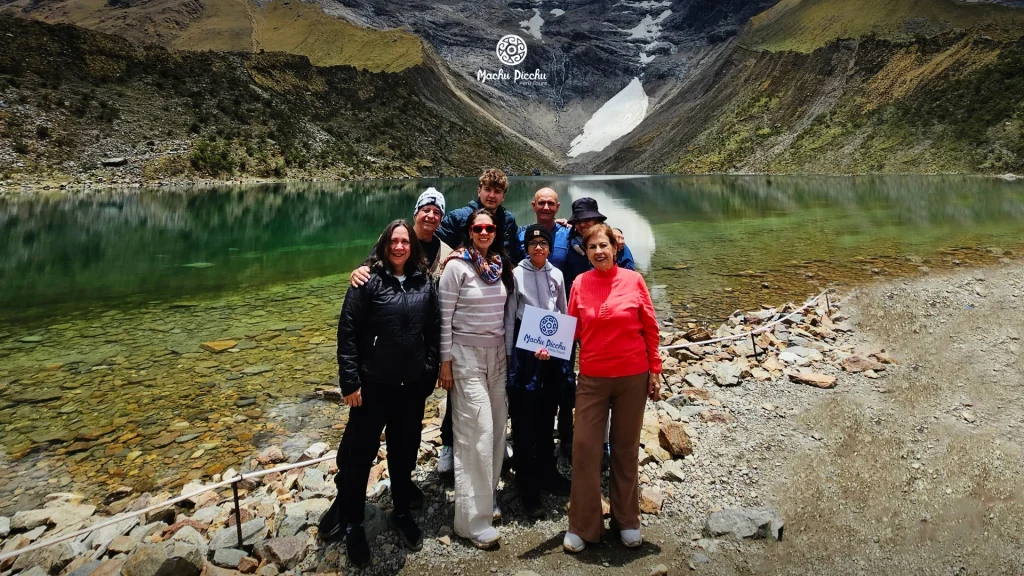
Near the towering Salkantay mountain range, Humantay Lake is known for its crystal-clear turquoise waters and dramatic mountain backdrop. It has become one of Peru’s most photographed natural attractions, popular with hikers and landscape photographers alike.
Lake Titicaca
Shared between Peru and Bolivia, Lake Titicaca is the highest navigable lake in the world. Visitors can explore the hand-built Uros Floating Islands, as well as Taquile and Amantaní Islands, where traditional communities share their handicrafts and way of life one of the most authentic cultural experiences in the region.

Nazca Lines
The mysterious Nazca Lines are among Peru’s greatest archaeological enigmas: enormous geoglyphs etched into the desert more than 1,500 years ago, including figures like a hummingbird, monkey, spider, condor, and whale. Because of their scale, they can only be fully appreciated from the air on a scenic overflight.

Lima
Peru’s capital, Lima, has become one of the world’s leading culinary destinations, home to award-winning restaurants, a historic center, and the coastal neighborhoods of Miraflores and Barranco. Peruvian cuisine blends Indigenous, Spanish, African, Asian, and European influences into one of the richest gastronomic traditions on the planet.

More Places to Visit in Peru
Beyond its best-known landmarks, Peru also rewards travelers who venture further: Arequipa and the nearby Colca Canyon, the Paracas National Reserve and Huacachina Oasis on the coast, the Tambopata and Manu national reserves in the Amazon, and the northern archaeological site of Kuélap alongside the towering Gocta Waterfall.
Sample South America Itineraries
The right itinerary depends entirely on how much time you have. Below are a few starting points, all built around Peru as the natural anchor of a South America trip.
7 Days (Peru only): Your seven-day adventure starts in Cusco, where you’ll acclimatize and explore the historic city. Next, travel through the scenic Sacred Valley before visiting the iconic Machu Picchu. Continue with a city tour of Cusco, followed by excursions to Rainbow Mountain and Humantay Lake. Finish your trip in Lima, bringing your unforgettable Peruvian journey to a close.
10 Days (Peru + Bolivia): Lima → Cusco → Sacred Valley → Machu Picchu → Rainbow Mountain → Lake Titicaca → La Paz, Bolivia.
15 Days (Peru, Bolivia & Chile): Cusco → Sacred Valley → Machu Picchu → Lake Titicaca → Salar de Uyuni → Atacama Desert → Santiago.
21 Days (Peru, Bolivia, Chile, Argentina & Brazil): Machu Picchu → Rainbow Mountain → Sacred Valley → Salar de Uyuni → Atacama Desert → Patagonia → Iguazu Falls → Rio de Janeiro.
1 Month (Full Continental Adventure): Peru, Bolivia, Chile, Argentina, Brazil, Uruguay, Colombia, and Ecuador, with optional add-ons like the Galápagos Islands, Torres del Paine, and the Amazon Rainforest, enough time to experience South America’s cultural and geographic diversity at a comfortable pace.
Best Time to Visit South America
| Destination | Best Time to Visit |
| Peru (general) | May to September |
| Machu Picchu | April to October |
| Cusco | May to September |
| Rainbow Mountain | Dry season (May–September) |
| Brazil | May to October |
| Patagonia | November to March |
| Atacama Desert | All year |
| Galápagos Islands | All year |
| Colombia | December to March |
| Bolivia | May to October |
As a general rule, the dry season offers the best conditions for trekking and sightseeing throughout the Andes.
Getting Around South America
Traveling between South America’s countries is easier than many first-time visitors expect, thanks to a mix of domestic and international flights, luxury buses, scenic tourist trains, rental cars, river boats in the Amazon, and private transfers. In Peru specifically, combining flights with train journeys, for example, from Cusco to Aguas Calientes for Machu Picchu, provides the most efficient and comfortable way to connect destinations.
Is South America Safe for Tourists?
South America welcomes millions of international travelers every year, and popular destinations like Cusco, Machu Picchu, the Sacred Valley, and Lake Titicaca are well-prepared to host visitors. As with any region, safety comes down largely to preparation and common-sense habits:
- Book tours with licensed, reputable agencies.
- Use official transportation and keep valuables secure.
- Avoid isolated areas at night.
- Purchase travel insurance and carry copies of important documents.
- Stay informed about local weather and travel conditions.
Practical Travel Tips
- Carry a passport with at least six months of remaining validity.
- Book Machu Picchu tickets well in advance, since daily entries are limited.
- Pack for multiple climates cold Andean nights, humid Amazon heat, and mild coastal weather can all appear in the same trip.
- Bring comfortable, broken-in hiking shoes.
- Stay well hydrated, especially at high altitude.
- Exchange currency only at authorized locations.
- Learn a few basic Spanish phrases.
- Respect local customs and support local businesses whenever possible.
Why Choose Machu Picchu Peru Tours
Planning a trip across South America becomes far easier with an experienced local specialist. Machu Picchu Peru Tours designs custom travel experiences that showcase the best of Peru while connecting visitors with the country’s history, culture, and natural beauty. Our most popular tours include:
- Machu Picchu Tours
- Sacred Valley Tours
- Cusco City Tours
- Rainbow Mountain Tours
- Humantay Lake Tours
- Lake Titicaca Tours
- Nazca Lines Tours
- Peru Vacation Packages
- Private Luxury Tours
- Multi-Day South America Itineraries
Frequently Asked Questions About South America
Is Peru the best country to visit in South America? Many travelers consider Peru the top destination on the continent because it combines ancient history, spectacular landscapes, world-class gastronomy, and diverse cultural experiences within a single, well-connected trip.
What is the safest way to travel around South America? Booking with reputable tour operators, using licensed transportation, and planning your itinerary in advance are the safest and most convenient approaches.
What is the best month to visit Peru? The dry season, from May to September, offers the best conditions for visiting Machu Picchu, Cusco, the Sacred Valley, Rainbow Mountain, and Humantay Lake.
Which South America country has the most UNESCO World Heritage Sites relevant to travelers? Peru is home to numerous UNESCO World Heritage Sites, including Machu Picchu, the Historic Centre of Lima, and the City of Cusco, alongside several other archaeological and natural treasures.
How many countries are in South America? South America has 12 sovereign countries, Argentina, Bolivia, Brazil, Chile, Colombia, Ecuador, Guyana, Paraguay, Peru, Suriname, Uruguay, and Venezuela, plus French Guiana, an overseas department of France.
Start Your South America Adventure Today
A journey through South America is more than a vacation,it’s a chance to discover ancient civilizations, extraordinary landscapes, and living cultures across one of the most diverse continents on Earth.
Among all of its destinations, Peru remains the natural gateway: a single trip can take you from the citadel of Machu Picchu and the historic streets of Cusco to the Sacred Valley, Rainbow Mountain, Humantay Lake, the Nazca Lines, Lake Titicaca, and the Peruvian Amazon.
If you’re ready to explore the best of South America, let Machu Picchu Peru Tours help you build the perfect itinerary whether you’re dreaming of a luxury escape, an adventure-filled trek, or a cultural journey through Peru and beyond.