
Inti Raymi 2026: The Complete Travel Guide to Cusco’s Festival of the Sun

On this page
Experience the Most Important Inca Celebration in Peru
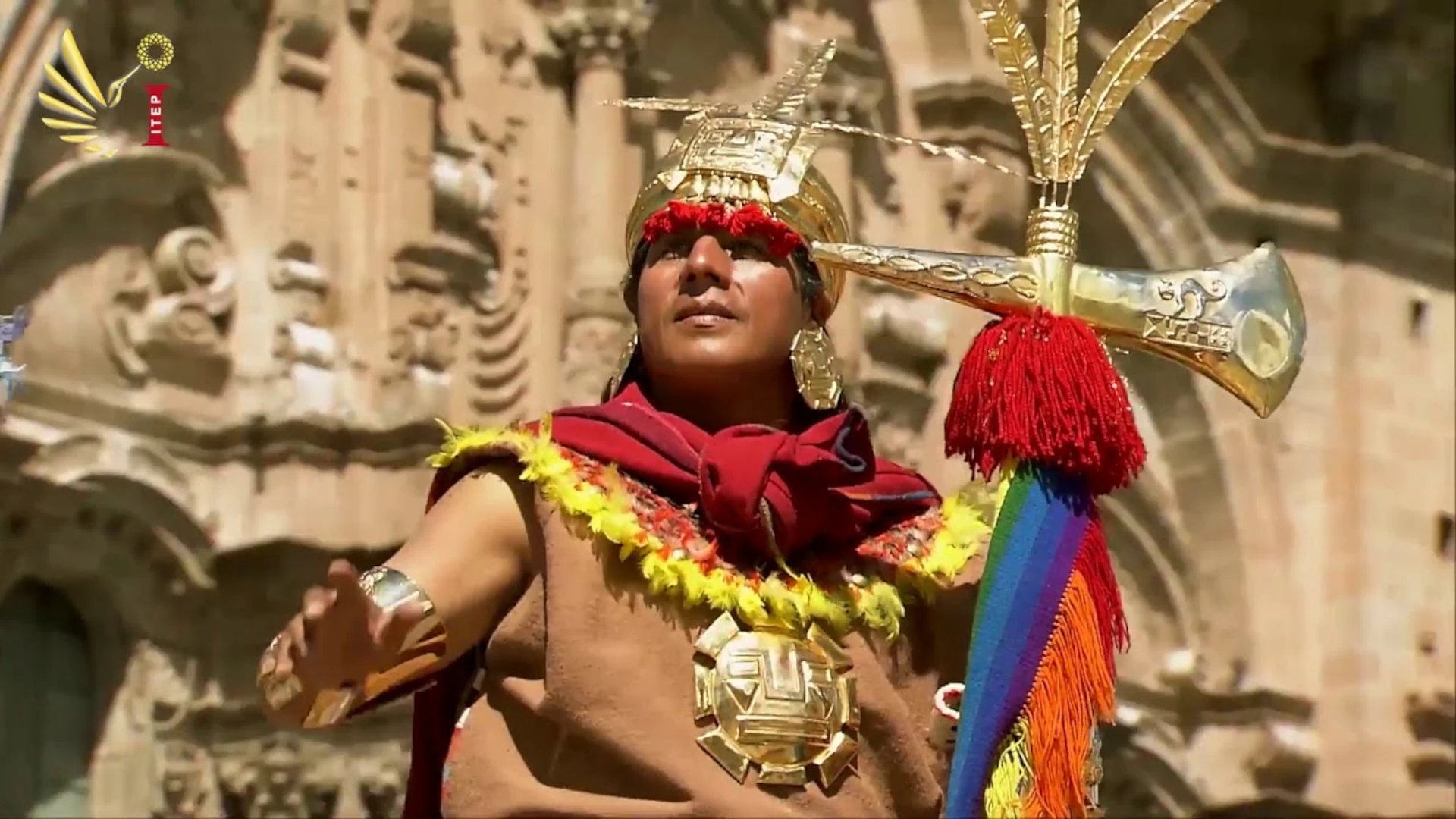
Every year on June 24, the city of Cusco becomes the stage for one of South America’s most spectacular cultural events: Inti Raymi, the Festival of the Sun. This ancient Inca celebration honors Inti, the Sun God, and attracts thousands of travelers from around the world who come to witness a unique reenactment of one of the most important ceremonies of the Inca Empire.
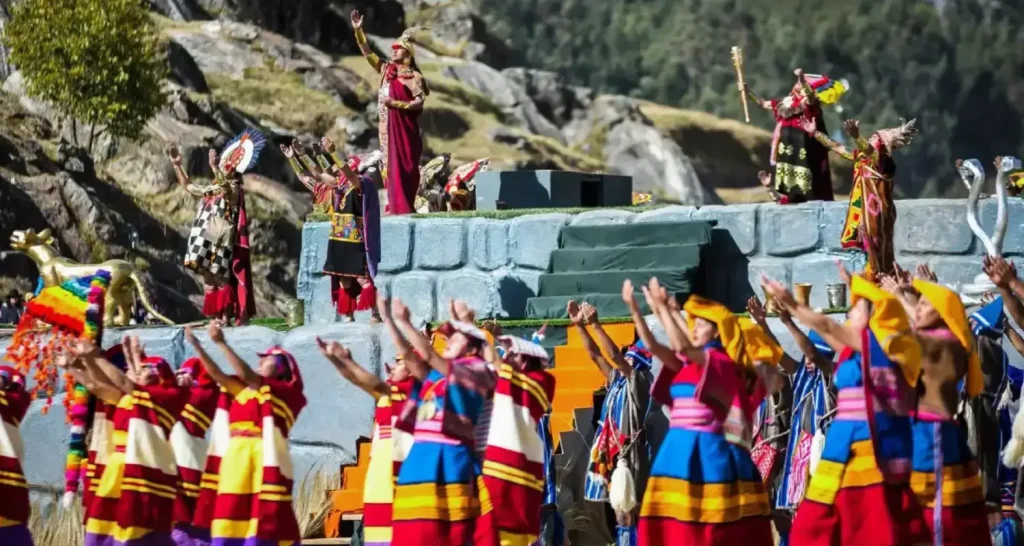
Today, Inti Raymi is celebrated as a grand historical performance featuring hundreds of actors, musicians, dancers, and representatives from Andean communities. The festival preserves centuries of tradition and showcases the rich cultural heritage of Peru.
What Is Inti Raymi?
Inti Raymi, which means «Festival of the Sun» in Quechua, was the most important religious ceremony of the Inca Empire. The celebration marked the winter solstice in the Southern Hemisphere and symbolized the beginning of a new agricultural cycle. During the ceremony, the Inca paid tribute to the Sun God, seeking prosperity, good harvests, and harmony for the empire.
Although the original ceremony was prohibited during the colonial period, it was revived in the 20th century and has since become one of Peru’s most important cultural festivals.
When Is Inti Raymi 2026?
Inti Raymi 2026 will take place on Wednesday, June 24, 2026, coinciding with the winter solstice and the anniversary celebrations of the city of Cusco. Every year, thousands of visitors plan their trip around this iconic event.
Main Stages of Inti Raymi
The celebration takes place across three historic locations in Cusco, each representing an important part of the ceremony.
Qorikancha (Temple of the Sun)
The festival begins at Qorikancha, the most sacred temple of the Inca Empire. Here, the Inca and his royal court perform the first rituals dedicated to the Sun God. This ceremony is free to watch from nearby public areas and attracts large crowds.
Plaza de Armas of Cusco
The second part of the celebration moves to the historic center of Cusco. The Plaza de Armas becomes a vibrant stage where visitors can enjoy traditional music, colorful costumes, and cultural performances.
Sacsayhuamán
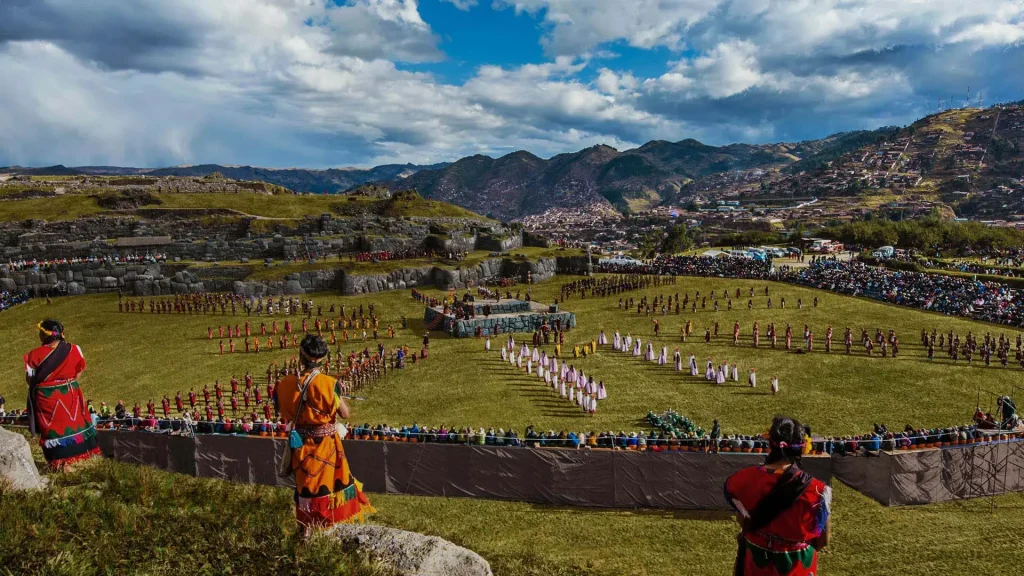
The main ceremony takes place at the impressive Inca fortress of Sacsayhuamán. This is where the most important rituals and performances occur, including speeches by the Inca, traditional dances, and symbolic offerings to the Sun God.
Why Visit Inti Raymi?
Attending Inti Raymi offers much more than a cultural show. It provides travelers with the opportunity to connect with Peru’s living history and witness traditions that have survived for centuries.
Highlights include:
- Authentic Inca rituals and ceremonies.
- Traditional Andean music and dances.
- Spectacular costumes inspired by the Inca Empire.
- Unique cultural experiences found nowhere else in the world.
- The festive atmosphere that fills Cusco throughout June.
Travel Tips for Inti Raymi 2026
Arrive Early in Cusco
Cusco sits at approximately 3,400 meters (11,152 feet) above sea level. Visitors should arrive at least two or three days before the festival to acclimatize and reduce the effects of altitude sickness.
Book Everything in Advance
June is one of the busiest months in Cusco. Hotels, tours, train tickets, and festival seats often sell out months before the event. Early reservations are highly recommended.
Dress for the Weather
June is part of the dry season in Cusco. Days are usually sunny, but mornings and evenings can be quite cold. Bring sunscreen, sunglasses, a hat, and layers of clothing.
Combine Inti Raymi with Machu Picchu
Many travelers combine Inti Raymi with a visit to Machu Picchu. Travel experts recommend attending the festival on June 24 and visiting Machu Picchu in the following days to avoid logistical challenges and fully enjoy both experiences.
Other destinations worth adding to your itinerary include the Sacred Valley, Moray, Maras Salt Mines, and Pisac.
Final Thoughts
Inti Raymi 2026 is one of the most extraordinary cultural events in South America. Whether you are passionate about history, archaeology, photography, or authentic travel experiences, this Festival of the Sun offers an unforgettable journey into the heart of the Inca civilization.
By planning ahead and exploring the many wonders of Cusco and Machu Picchu, you can transform your trip into a once-in-a-lifetime adventure filled with culture, tradition, and breathtaking landscapes.


