
Machu Picchu Admission Ticket: Complete Guide to Tickets, Prices & Travel Tips (2026)

On this page
Visiting Machu Picchu is a dream for travelers from around the world, but securing the right Machu Picchu admission ticket is one of the most important steps in planning your trip ticket availability is limited, and demand stays high year-round, especially in peak season. Whether you plan to explore the classic Inca citadel circuits, hike Huayna Picchu, or take in panoramic views from Machu Picchu Mountain, understanding your ticket options will help you build the right itinerary from the start.
Here at Machu Picchu News, this guide covers everything: ticket types and circuits, how and when to buy, the best time to visit Machu Picchu, weather and altitude, getting there from Cusco, hiking alternatives, and the practical details that make for a smooth visit to one of the world’s most extraordinary archaeological sites.
What Is a Machu Picchu Admission Ticket?
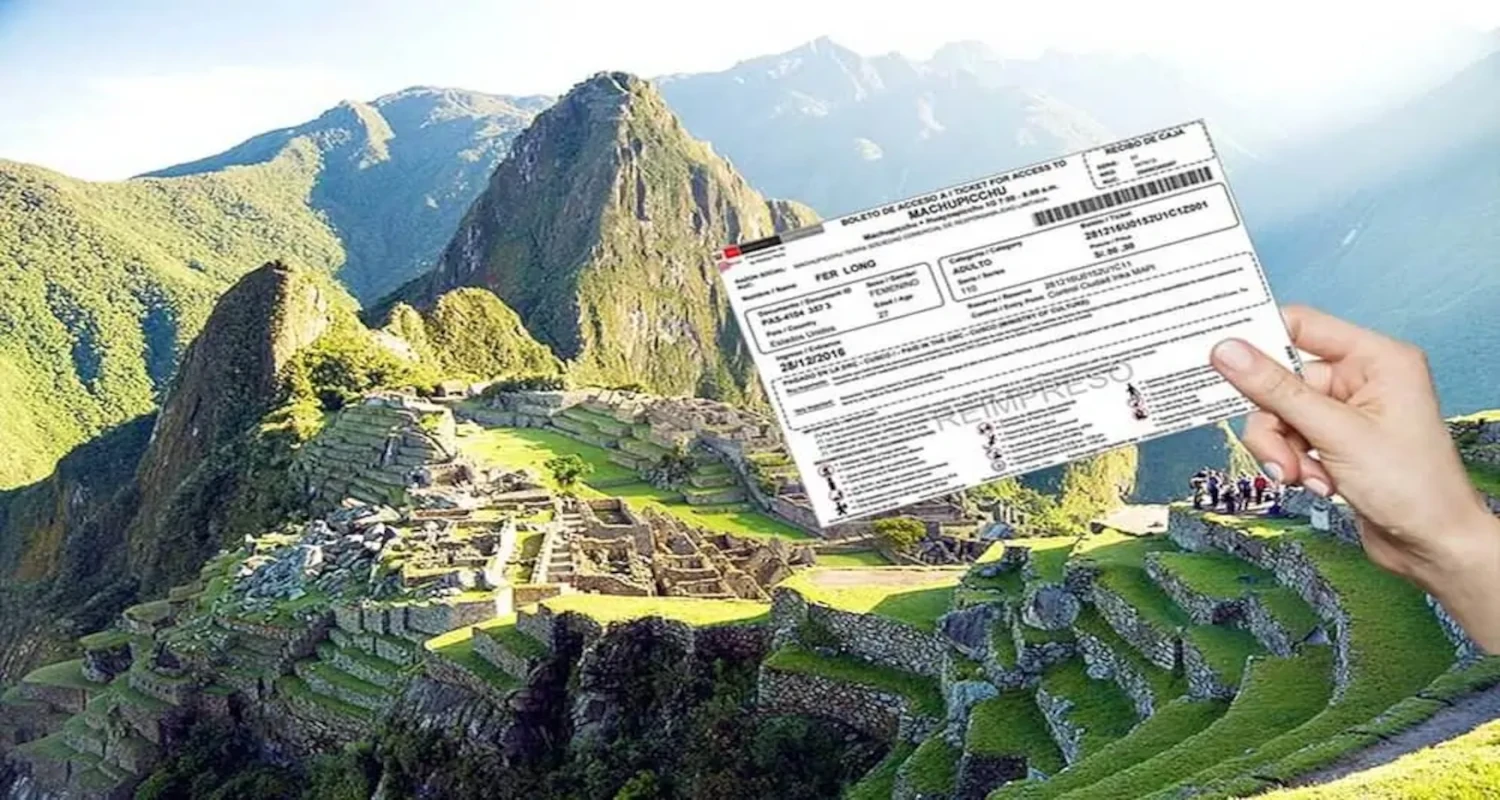
A Machu Picchu admission ticket is the official entrance pass required to visit the Historic Sanctuary of Machu Picchu, managed by Peru’s Ministry of Culture. Every visitor must present a valid ticket together with their passport or official ID before entering. Unlike many attractions, entry here is carefully regulated: daily visitor numbers are capped to protect this UNESCO World Heritage Site and its fragile archaeological structures, and tickets are sold by specific circuit and, in some cases, specific mountain hike.
Machu Picchu Circuits: Which One Should You Choose?
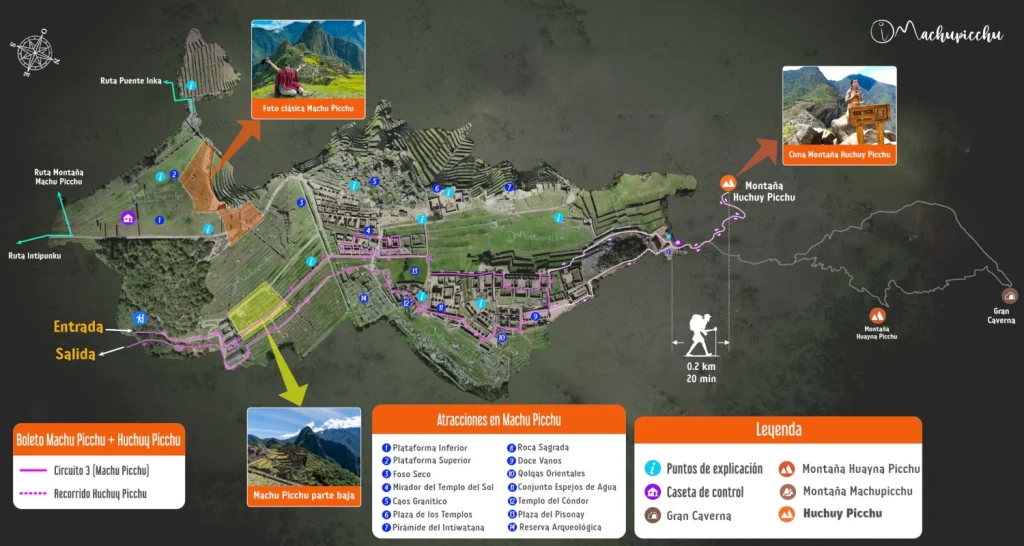
- Circuit 1 Panoramic Routes: the classic postcard viewpoints, ideal for first-time visitors, photographers, and anyone combining the visit with a mountain hike.
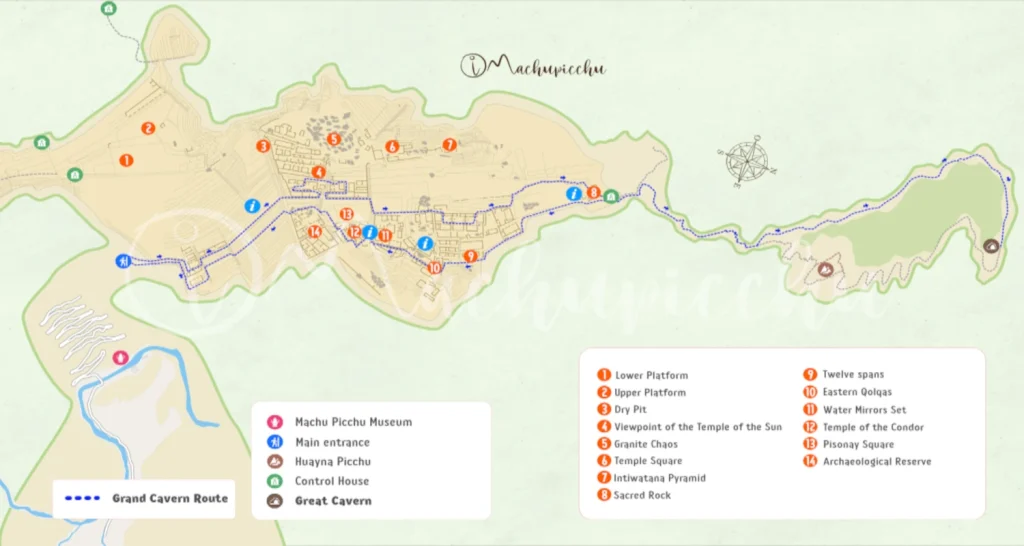
- Circuit 2 Classic Machu Picchu Experience: widely considered the most complete option, combining the panoramic viewpoint with a full tour through the main archaeological sectors, agricultural terraces, temple areas, residential sectors, sacred plazas, and water fountains. Because it’s so popular, Circuit 2 tickets tend to sell out first.

- Circuit 3 Lower Archaeological Routes: focuses on the lower citadel and serves as the access route for several mountain hikes, including (depending on availability) Huayna Picchu, Machu Picchu Mountain, and Huchuy Picchu.
How to Buy Official Machu Picchu Tickets
Buying your ticket in advance is strongly recommended, especially for travel during the dry season or holiday periods. To avoid scams or invalid reservations, only purchase through trusted channels:
- The official Ministry of Culture booking platform
- Licensed travel agencies
- Authorized Peru tour operators
- Complete Peru travel packages that bundle admission with trains, transport, and guiding
Avoid unofficial websites or unauthorized resellers, and note that tickets cannot be purchased at the entrance gate, so this step has to happen before you arrive.
Machu Picchu Ticket Prices
Pricing depends on several factors: the selected circuit, whether a mountain hike (Huayna Picchu or Machu Picchu Mountain) is included, visitor nationality, student or age-based discounts, and any promotional rates in effect at the time. Because prices and availability change periodically, always verify current rates directly on the official platform or with your operator before finalizing your reservation.
How Far in Advance Should You Book?
- Dry season (May–September): reserve two to four months ahead, especially for June, July, and August, the busiest months of the year.
- Rainy season (November–March): availability is generally better, but book at least four to eight weeks ahead holiday periods like Christmas and New Year still see high demand.
- Huayna Picchu or Machu Picchu Mountain tickets: book as early as possible, since these have very limited daily availability and typically sell out well before the standard circuit tickets.
Several factors drive this scarcity: daily visitor caps, strong international demand, school holidays, and conservation measures that intentionally limit mountain permits are all good reasons to lock in your Machu Picchu tickets before booking flights or hotels.
What’s Included (and Not Included) in Your Ticket
Depending on the circuit selected, your admission ticket generally covers entry to the sanctuary, access to your chosen visitor circuit, panoramic viewpoints, and the historic structures along that route with Huayna Picchu, Machu Picchu Mountain, or Huchuy Picchu access added only if purchased as part of that ticket.
What it does not include: train tickets, shuttle bus tickets, a professional guide, hotel accommodation, meals, travel insurance, or transportation between Cusco and Ollantaytambo. This is exactly why many travelers opt for complete travel packages that bundle all of these pieces into a single booking.
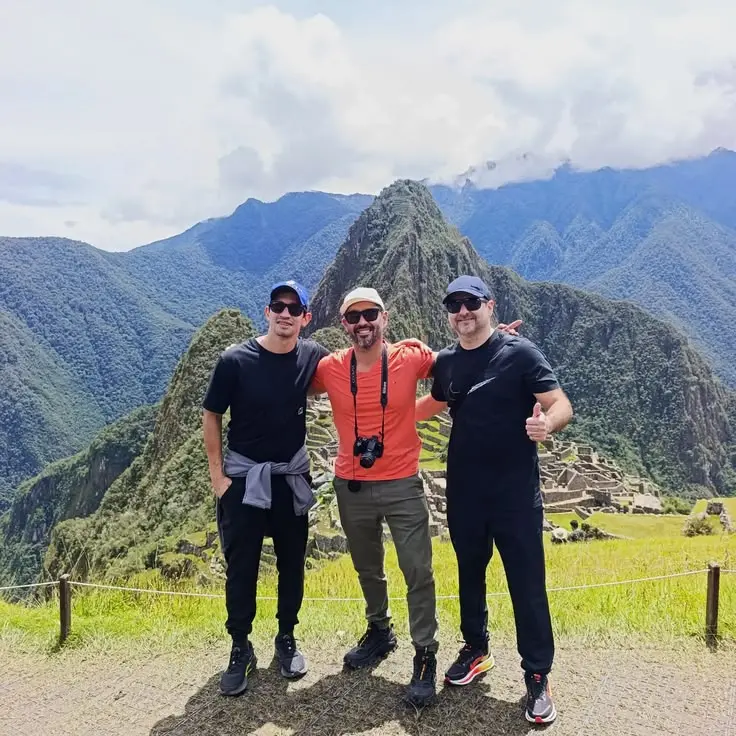
Best Time to Visit Machu Picchu
- Dry season (May to September): widely considered the best time to visit Machu Picchu, with minimal rainfall, pleasant daytime temperatures, and excellent mountain views but also the busiest season, so book tickets, trains, and hotels well ahead.
- Rainy season (November to March): transforms the site into a lush green landscape, with fewer crowds, better hotel availability, and a quieter atmosphere in exchange for more frequent afternoon showers.
- Shoulder season (April and October): many experienced travelers consider this the sweet spot between good weather and manageable crowds.
Best month to visit Machu Picchu, at a glance: May offers green post-rainy-season landscapes with great hiking conditions; June and July bring dry, clear skies but peak crowds; August remains excellent for trekking; September is nearly as dry with slightly fewer visitors; and October delivers comfortable temperatures and scenery that photographers particularly favor.
Machu Picchu Weather
Despite sitting high in the Andes, Machu Picchu’s location near the Amazon cloud forest gives it a mild subtropical climate, with average daytime temperatures between 17–24°C (63–75°F) and noticeably cooler mornings and evenings.
Conditions can shift quickly, so dressing in layers is the safest approach regardless of season. Pack a waterproof jacket, comfortable hiking shoes, a hat, sunglasses, sunscreen, insect repellent, a reusable water bottle, a camera, and a small backpack packing light makes exploring the site far more comfortable.
Machu Picchu Altitude
The archaeological sanctuary sits at approximately 2,430 meters (7,972 feet) above sea level. This Machu Picchu elevation is lower than Cusco’s, which is why most visitors experience fewer altitude-related symptoms at Machu Picchu than in the city.
| Destination | Altitude |
| Cusco | 3,399 m (11,152 ft) |
| Sacred Valley (average) | 2,800 m (9,186 ft) |
| Machu Picchu | 2,430 m (7,972 ft) |
| Aguas Calientes | 2,040 m (6,693 ft) |
Many travelers spend one or two days in the lower-altitude Sacred Valley before heading to Cusco or Machu Picchu, allowing for more gradual acclimatization. A few extra habits help regardless of your route: stay well hydrated, eat light meals on your first day, avoid excessive alcohol, walk at a comfortable pace, get enough rest, and consult your doctor beforehand if you have a pre-existing medical condition.
Where Is Machu Picchu?
Machu Picchu is located in Peru, in the Cusco Region, high in the Andes Mountains above the Urubamba River, within the Historic Sanctuary of Machu Picchu recognized as both a UNESCO World Heritage Site and one of the New Seven Wonders of the World.
Who Built Machu Picchu?
Historians generally agree that the Inca Emperor Pachacuti commissioned Machu Picchu during the 15th century. While its exact original purpose is still studied, many researchers believe it served as a royal estate, ceremonial center, and administrative site. The Incas’ engineering temples, terraces, stairways, and water channels that still function today makes it one of the greatest architectural achievements of the Inca Empire.
Cusco to Machu Picchu: Getting There
Since there’s no direct road to the citadel, most visitors combine road and rail travel: driving or transferring from Cusco to Ollantaytambo, taking the train to Aguas Calientes (Machu Picchu Pueblo), then riding the shuttle bus up to the entrance. Some seasonal services also depart directly from Cusco, cutting out one transfer. Two official railway companies cover this route:
| Feature | PeruRail | Inca Rail |
| Routes | Cusco, Ollantaytambo, Urubamba | Cusco, Ollantaytambo |
| Economy service | ✔ | ✔ |
| Panoramic trains | ✔ | ✔ |
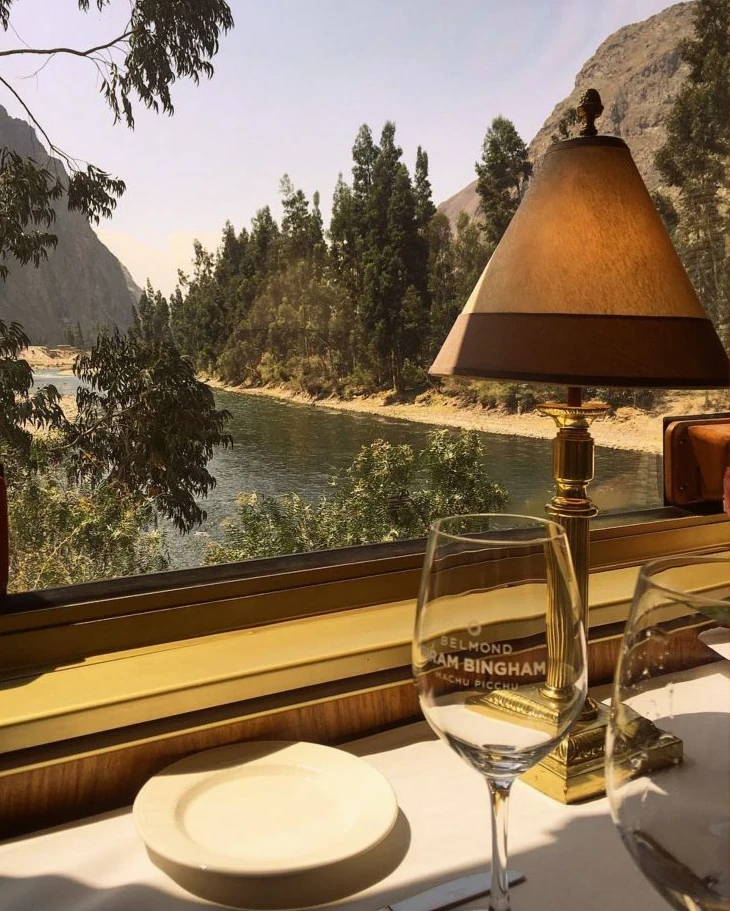
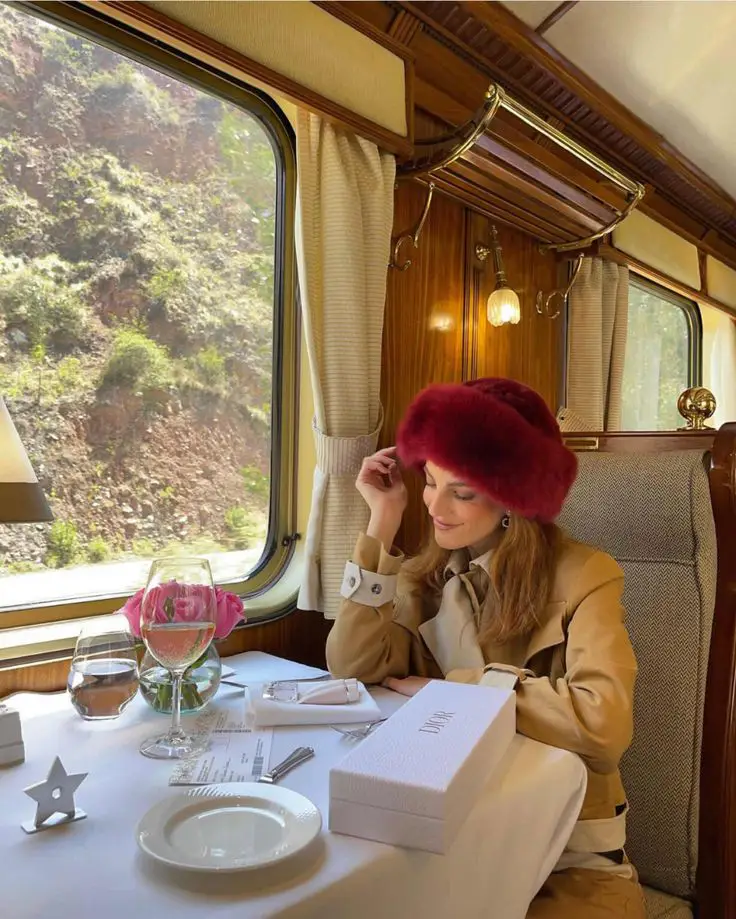
| Luxury service | ✔ (Belmond Hiram Bingham) | ✔ (First Class & The Private) |
| Onboard entertainment | Available on select services | Available on select services |
Both operators run comfortable, scenic services through the Sacred Valley, so the choice often comes down to schedule, budget, and availability on your travel dates. Book your train as early as possible alongside your admission ticket, especially during the dry season.
Hiking to Machu Picchu
Adventure travelers often choose to hike in rather than take the train:
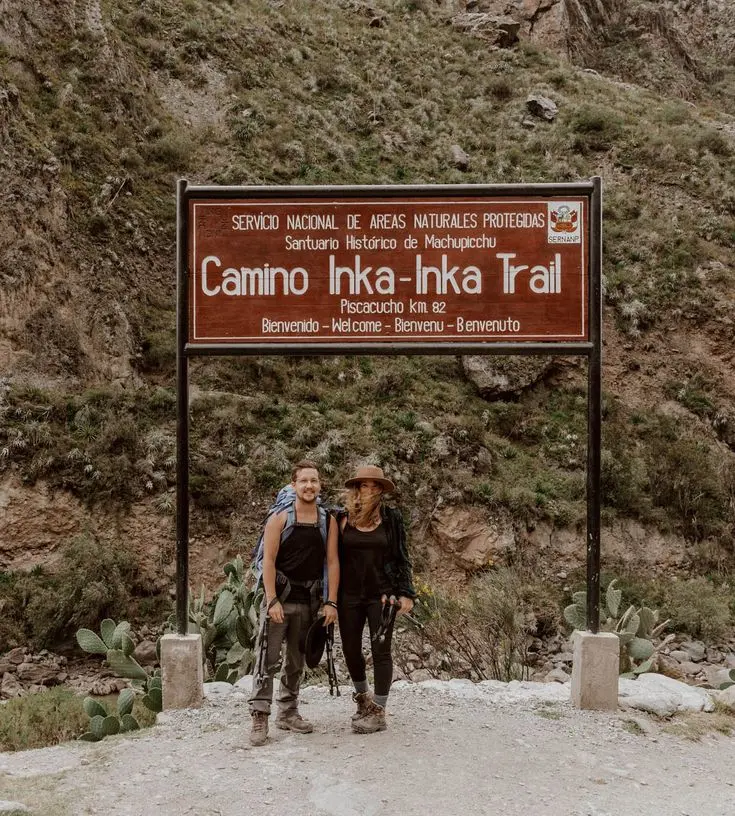
- Classic Inca Trail: Peru’s most famous trek, following original Inca pathways past archaeological sites and cloud forest before arriving through the Sun Gate (Inti Punku). Permits are limited, so book several months ahead.
- Short Inca Trail: a one-day hiking option for travelers with limited time, still entering through the Sun Gate before an overnight in Aguas Calientes and a Machu Picchu visit the next day.
- Salkantay Trek: one of Peru’s most popular alternative routes, crossing snow-capped mountain passes, cloud forest, and tropical valleys. Unlike the Inca Trail, it doesn’t require a government permit, though booking with a reputable operator is still recommended.
Essential Travel Tips and Common Mistakes to Avoid
A few habits make the difference between a smooth visit and a stressful one:
- Purchase your Machu Picchu admission ticket and train tickets early, don’t wait until schedules and circuits sell out.
- Carry your original passport, matching the ID used at booking, at every step of the journey.
- Double-check your assigned entry time and review the weather forecast before your visit day.
- Spend one or two days acclimatizing in Cusco or the Sacred Valley beforehand.
- Pack light, dress in layers, and wear broken-in, comfortable footwear.
- Arrive early at the bus station, and follow the official visitor circuits and park staff instructions once inside.
- Don’t skip travel insurance, and never book tickets through unofficial resellers.
Frequently Asked Questions
Can I buy a Machu Picchu ticket at the entrance?
No. Tickets must be purchased in advance through the official Ministry of Culture platform or a licensed operator; they are not sold at the gate.
What documents do I need to enter?
Your original passport (or valid ID matching your booking), your admission ticket, and student ID if you purchased a student-rate ticket.
Is a tour guide required?
It’s highly recommended, if not required on certain circuits, licensed guides add historical and architectural context that’s easy to miss on a self-guided visit, and many complete travel packages include multilingual guiding.
How long does a visit to Machu Picchu take?
Most visitors spend 2 to 4 hours on the standard circuits; adding a mountain hike (Huayna Picchu or Machu Picchu Mountain) extends the visit considerably.
Can I re-enter Machu Picchu after leaving?
Generally no most tickets allow a single entry, so check current visitor policies before planning your day around a break outside the site.
What can I bring inside?
A small backpack, water, sunscreen, a hat, a rain jacket, a camera or smartphone, and personal medication. Large bags, drones, and unauthorized professional filming equipment are not permitted.
Is Machu Picchu suitable for children?
Yes, families visit year-round. Choose an appropriate circuit, bring water and snacks, wear comfortable shoes, build in time for breaks, and supervise children closely on stairs and ledges.
Final Tough
Purchasing the right Machu Picchu admission ticket is the first step toward an unforgettable trip to Peru. Because visitor numbers are limited and demand stays high year-round, planning ahead for your ticket, your train, your circuit, and your acclimatization is what turns a potentially stressful logistics puzzle into a smooth, memorable visit to one of the world’s greatest archaeological treasures.
Combine It With the Rest of Peru
A Machu Picchu ticket is usually just one piece of a larger Peru itinerary. Most travelers also build in time for Cusco, the Sacred Valley of the Incas, Rainbow Mountain (Montaña de Colores), Humantay Lake, Puno and Lake Titicaca, Ica and Paracas, the Nazca Lines, and Lima. Rather than booking each piece separately, combining these destinations into one complete travel package with a trusted local operator makes for a smoother, better-paced trip from start to finish.
Be sure to visit our travel blogs for more destination guides, practical tips, and recommendations to help you plan every stage of your trip to Peru.


