
Machu Picchu Tours: The Complete Guide to Peru’s Best Destinations

On this page
Last updated: September 2026 · Written by the Machu Picchu Peru Tours team in Cusco, Peru
Reviewed by our local operations team. Distances, altitudes and protected-area information checked against official sources — SERNANP, UNESCO and the official Machu Picchu ticket portal. Hours, fees and availability can change; confirm before you travel.
Most people start searching for Machu Picchu tours with a single destination in mind. But Peru’s most rewarding trips rarely stop there. In one country, you can walk through a 15th-century Inca citadel in the morning, stand on a sand dune above a desert oasis a few days later, and watch scarlet macaws fly over the Amazon rainforest before you leave.
This guide covers how to plan Machu Picchu tours that connect the Andes, the desert coast and the jungle including Machu Picchu itself, the Sacred Valley, Rainbow Mountain, Humantay Lake, Ica, Paracas, Huacachina, the Ballestas Islands, and the Tambopata and Manu rainforest regions.
Whether you’re looking for tours to Machu Picchu alone or a longer multi-region trip, the sections below break down what each destination offers, how they connect to each other, and which of our itineraries and guides can help you plan a route that fits your time and interests.
| Region | Main destinations | Typical time needed |
| Andes (Cusco area) | Machu Picchu, Sacred Valley (Pisac, Ollantaytambo, Maras, Moray), Rainbow Mountain, Humantay Lake | 4–7 days |
| Coast | Ica, Paracas, Huacachina, Ballestas Islands | 1–2 days |
| Amazon rainforest | Tambopata, Manu | 3–5 days |
Quick Answer: What Do Machu Picchu Tours Usually Include? Most Machu Picchu tours include entrance to the citadel, a guide, and transport from Cusco, often combined with the Sacred Valley (Pisac, Ollantaytambo, Maras and Moray). Longer itineraries can also add Rainbow Mountain, Humantay Lake, the desert coast around Ica and Paracas, or the Amazon rainforest in Tambopata and Manu.

Machu Picchu: The Heart of Every Peru Itinerary
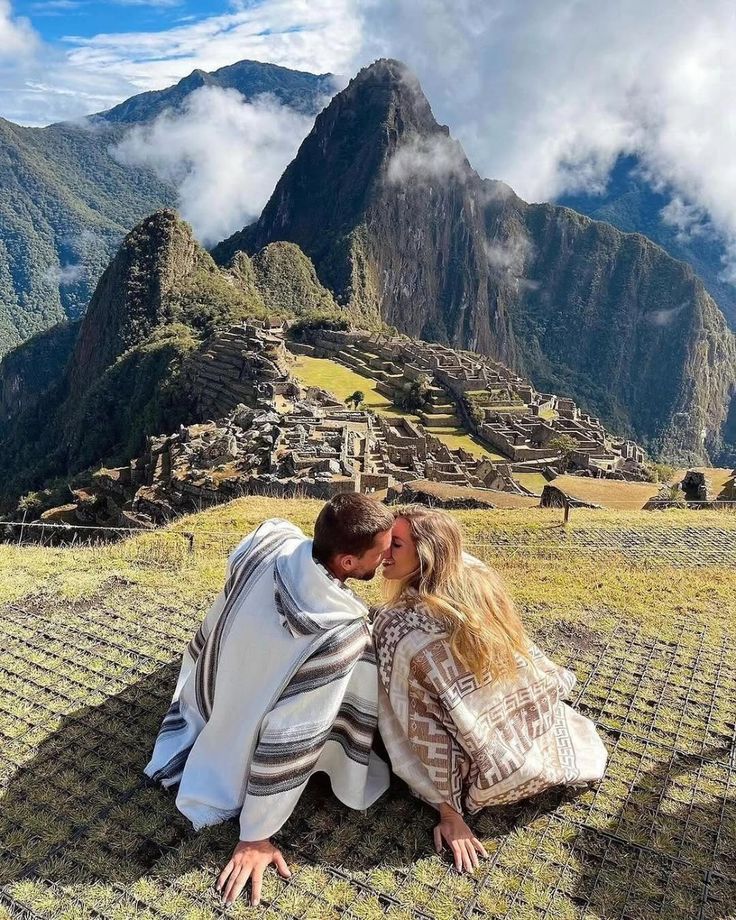
The Inca Citadel of Machu Picchu is the reason most travelers plan a trip to Peru in the first place, and for good reason: the 15th-century Inca citadel sits at roughly 2,430 meters (7,970 feet) above sea level, surrounded by cloud forest and the Urubamba River canyon. Entrance is managed through timed circuits, and tickets are sold through the official Machu Picchu ticket portal, which we recommend checking directly for current availability and circuit options before booking any tour.
Most visitors reach Machu Picchu by train from Cusco, Ollantaytambo or Poroy to Aguas Calientes (Machu Picchu Pueblo), followed by a short bus ride up to the citadel. Multi-day treks such as the classic Inca Trail or the Salkantay route are a popular alternative for travelers who want to arrive on foot. If you’re comparing options, our Machu Picchu travel packages page breaks down the most common itinerary lengths, from a single day to a full week that also covers the Sacred Valley.
The Sacred Valley: Pisac, Ollantaytambo, Maras and Moray
Almost every well-planned Machu Picchu tour includes at least a day in the Sacred Valley of the Incas, the fertile Urubamba River valley between Cusco and Machu Picchu. It’s home to Inca terracing, colorful highland markets and villages that are still lived in today. Our Cusco and Sacred Valley travel guide covers the full region in detail; the sections below summarize its four most-visited stops.
Pisac
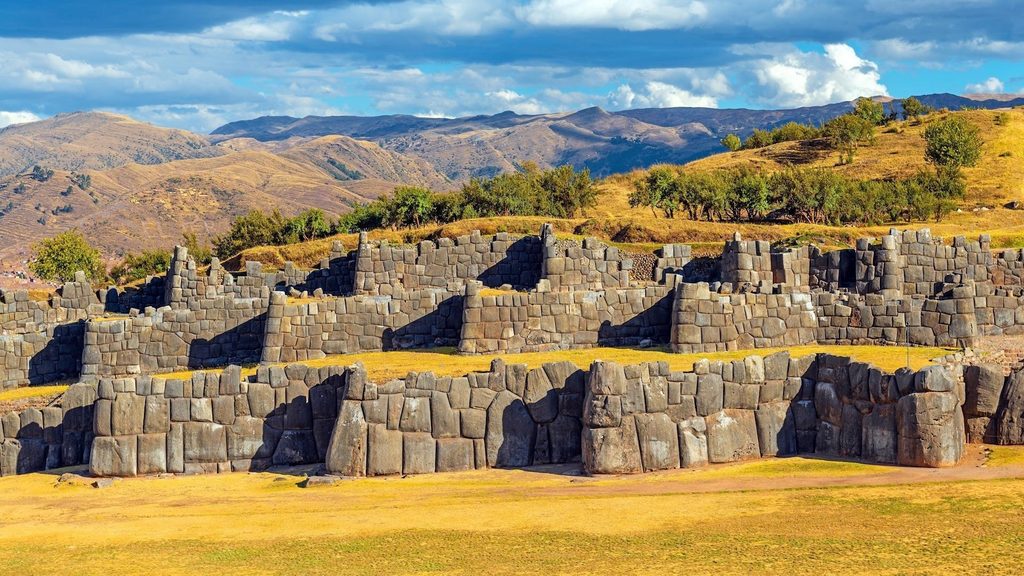
Pisac combines an Inca archaeological site, with agricultural terraces cut into the mountainside and a lively artisan market in the town below, known for textiles, ceramics and silver jewelry. See our Pisac travel guide for ruins access, market days and visiting tips.
Ollantaytambo
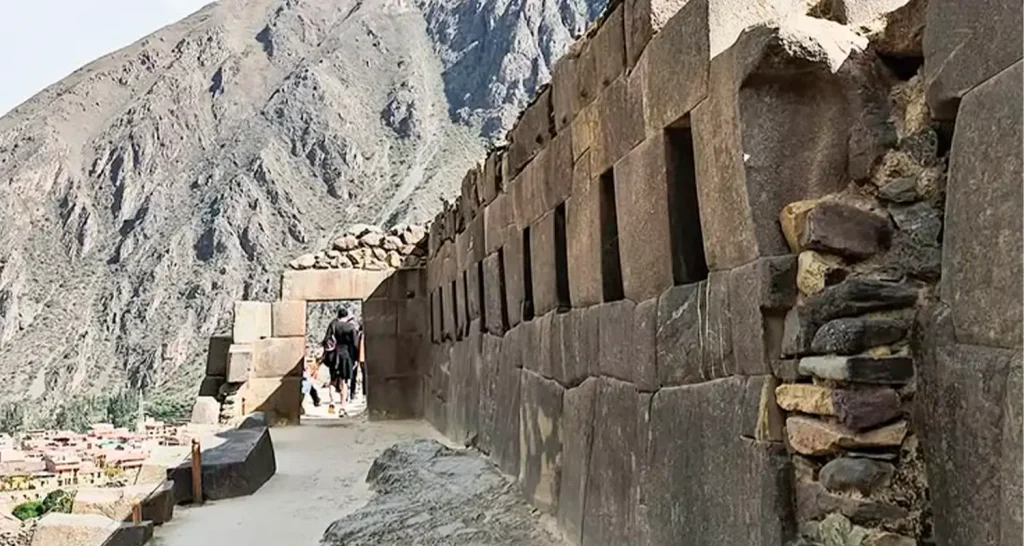
Ollantaytambo is often called a «living Inca town» because its original street grid and stone foundations are still in daily use. Its fortress-temple complex, with massive terraces and monumental stonework, is also the last major stop before boarding the train to Machu Picchu. Details on tickets and visiting are in our Ollantaytambo ruins guide.
Maras and Moray
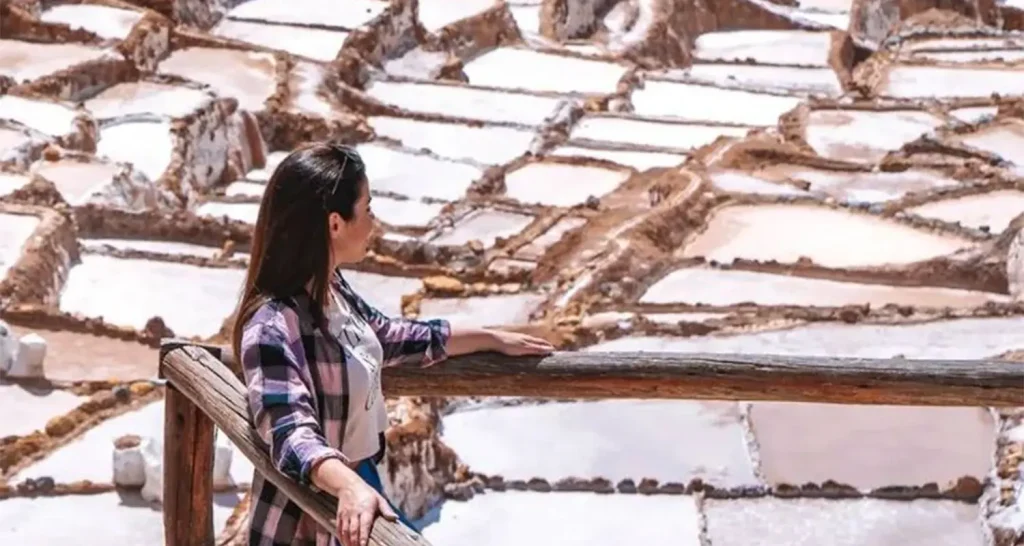
Maras is a network of thousands of small salt-evaporation pools that have been worked since Inca times, fed by a natural underground spring. A short drive away, Moray’s circular terraces descend in deep concentric rings, believed to have functioned as an agricultural laboratory that created different microclimates at different levels. Our Maras and Moray tour combines both sites in a half-day visit.
Picnic With Llamas
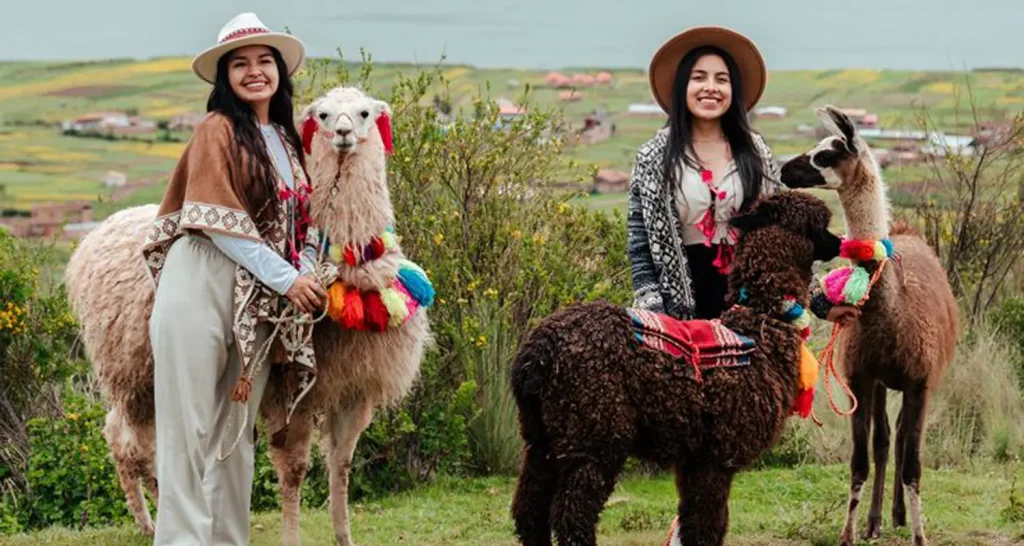
A more recent addition to Sacred Valley itineraries, a llama picnic sets up an outdoor lunch table overlooking the valley, with llamas grazing nearby, a relaxed, photogenic way to pair a cultural stop with time outdoors. It’s usually combined with the Maras and Moray circuit, like in our llama picnic, Maras and Moray tour.
Rainbow Mountain and Humantay Lake: Cusco’s High-Andes Icons
Vinicunca or Rainbow Mountain
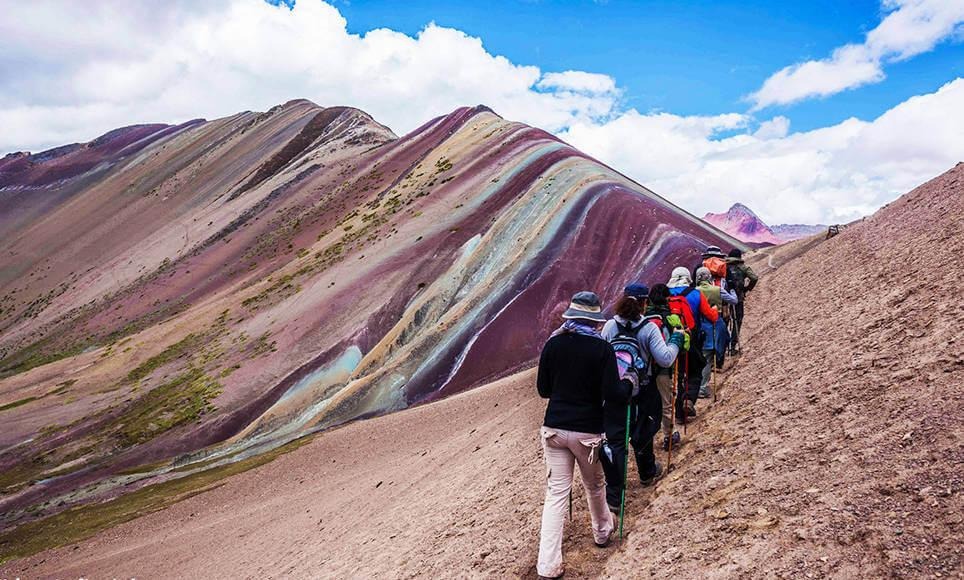
Rainbow Mountain, also known by its Quechua name Vinicunca, is famous for the naturally striped mineral bands across its slopes, ranging from red and gold to lavender. According to Wikipedia’s entry on Vinicunca, the mountain reaches approximately 5,036 meters (16,522 feet) above sea level, noticeably higher than Machu Picchu or Cusco, so acclimatizing in Cusco for at least a day or two beforehand is strongly recommended. Our Rainbow Mountain travel guide covers routes, difficulty and what to expect, and our Rainbow Mountain tour can be booked as a standalone day trip or combined with Machu Picchu.
Humantay Lake
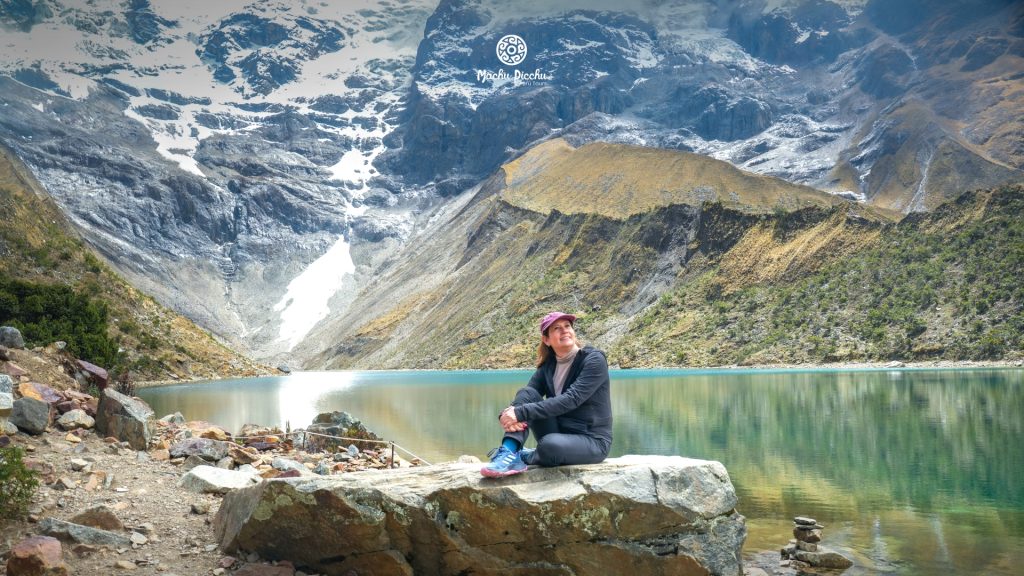
Humantay is a turquoise glacial lake sitting at roughly 4,200 meters (13,780 feet), framed by the snow-capped Humantay and Salkantay peaks. It’s typically visited as a long day trip from Cusco, involving a moderate uphill hike from the trailhead, and is also a common stop along the Salkantay trekking route toward Machu Picchu. See our Humantay Lake guide or book our Humantay Lake tour directly.
Peru’s Desert Coast: Ica, Paracas, Huacachina and the Ballestas Islands
Machu Picchu tours don’t have to stay in the mountains. Many travelers extend their trip toward Peru’s Pacific coast, a few hours south of Lima, for a completely different landscape of desert dunes, coastal wildlife and vineyards.
Ica
Ica is the gateway city to this desert region, known for its pisco and wine bodegas and as the jumping-off point for both Huacachina and the Nazca area. Our Ica destination guide covers what to see and how to combine it with the rest of the coast.
Paracas
Paracas is a small bayside town that gives its name to the Paracas National Reserve, a coastal desert protected area managed by SERNANP, Peru’s national protected-areas service. It’s the departure point for boat tours to the Ballestas Islands and a base for exploring the reserve’s desert coastline and wildlife viewpoints.
Huacachina
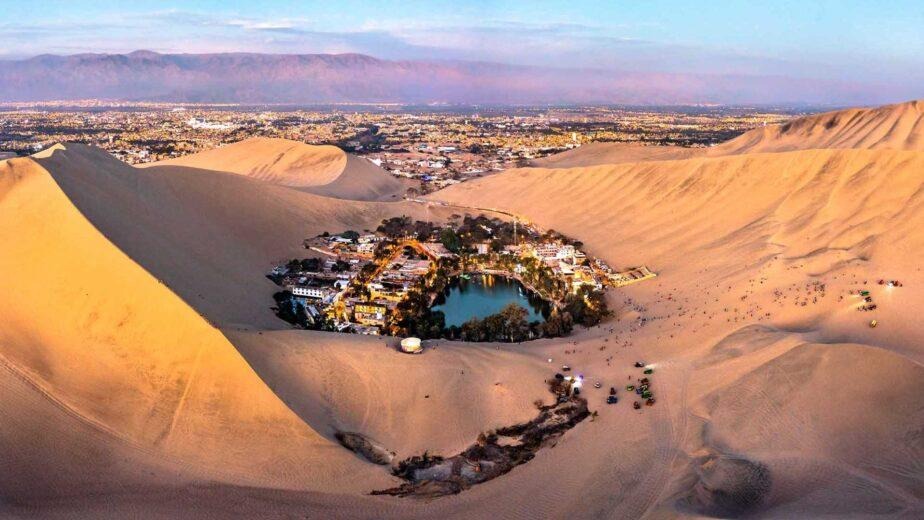
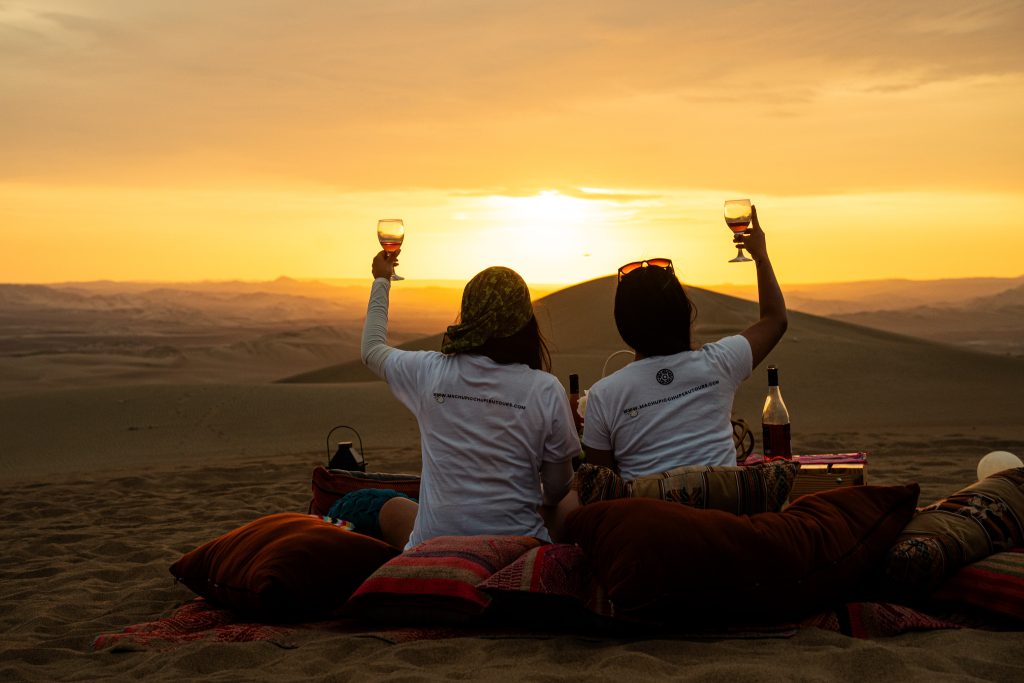
Just outside Ica, Huacachina is a small oasis town built around a natural lagoon, surrounded by some of the tallest sand dunes in South America. It’s best known for dune buggy rides and sandboarding, usually timed for sunset.
Ballestas Islands
Often nicknamed «the poor man’s Galápagos,» the Ballestas Islands are a cluster of rocky islets protected as part of the SIIPG Ballestas Islands National Reserve System. Boat tours from Paracas typically run 1.5 to 2 hours and pass colonies of sea lions, Humboldt penguins and dense seabird colonies on the guano-covered cliffs. Our Ballestas Islands and Huacachina tour combines both stops in a single full-day trip from Lima.
Peru’s Amazon Rainforest: Tambopata and Manu
Fewer travelers add the Amazon to their Machu Picchu tours, but it’s one of the most biodiverse regions on the planet and a striking contrast to the Andes and the coast.
Tambopata
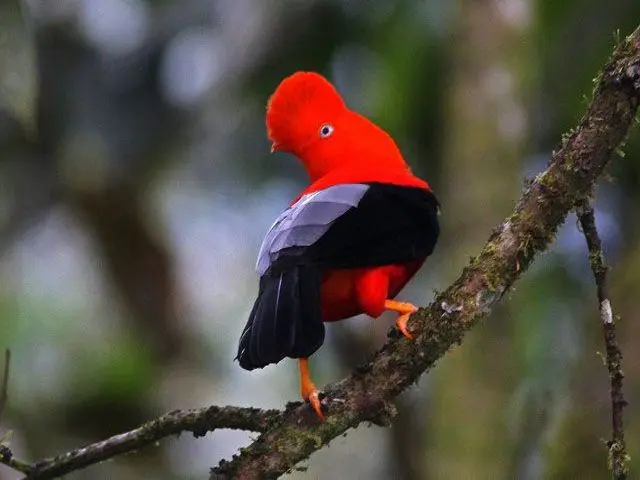
The Tambopata National Reserve, in the Madre de Dios region, protects roughly 274,690 hectares (1,060 square miles) of lowland rainforest, according to official figures from SERNANP. It’s known for its macaw clay licks, where dozens of parrots and macaws gather daily, as well as giant otters, caimans and boat excursions on Lake Sandoval. Tambopata is typically reached by a short flight to Puerto Maldonado followed by a boat ride to a jungle lodge. If you’re planning a stay, our guide to Tambopata’s best hotels and lodges is a good starting point.
Manu
Manu National Park, also in southeastern Peru, is one of the most biologically diverse protected areas on Earth, spanning roughly 1.7 million hectares across the Cusco and Madre de Dios regions.
It was established as a national park in 1973, declared a UNESCO Biosphere Reserve in 1977, and inscribed as a UNESCO World Heritage Site in 1987, recognitions confirmed on SERNANP’s official Manu National Park page. Because much of the park is a strictly protected core zone, visits are concentrated in its buffer and cultural zones, usually as multi-day guided expeditions from Cusco.
How to Combine Machu Picchu, the Coast and the Jungle in One Trip
The three regions above connect naturally into longer Peru itineraries, since Lima works as the hub for flights to Cusco (Andes), buses to Ica and Paracas (coast), and flights to Puerto Maldonado (Amazon). Travelers with 10 days or more often build a route that touches all three, rather than choosing just one. If you’d rather not plan each leg separately, our Lima, Ica, Cusco, Machu Picchu and Puno itinerary already links the coast and the Andes into a single planned trip.
Best Time of Year for Machu Picchu Tours
Peru’s dry season, roughly from May through September, is the most popular time for Machu Picchu tours, as well as for visiting Rainbow Mountain and Humantay Lake. During these months, trails are generally drier, while skies tend to be clearer. As a result, travelers often enjoy better hiking conditions and more favorable views.
Meanwhile, the coast around Ica and Paracas is pleasant nearly year-round because it has a desert climate with very little rainfall. In contrast, the Amazon follows a different seasonal pattern. During the dry season, roughly from May to October, hiking conditions are usually easier. On the other hand, the wet season, from November to April, brings higher river levels. Consequently, boat access to some lodges can actually become easier rather than more difficult.
Altitude and Health Tips for Machu Picchu Tours
Cusco sits at about 3,400 meters (11,150 feet), and Rainbow Mountain rises well above that, so altitude is a real factor for most Machu Picchu tours that include the Andes even though Machu Picchu itself, at 2,430 meters, is noticeably lower than Cusco. Spending a day or two in Cusco before attempting Rainbow Mountain or Humantay Lake, staying hydrated and pacing yourself are the most effective precautions. Our Cusco altitude guide goes into more detail on symptoms and prevention.
What to Pack for Machu Picchu Tours Across Coast, Andes and Jungle
Because a full Peru itinerary can move between desert, high mountains and rainforest in the same week, packing well matters more than usual. Layers for cold Andean mornings, sun protection for the coast, and lightweight, quick-dry clothing plus insect repellent for the jungle are the basics. Our Machu Picchu packing list covers what to bring in more detail, by season.
Machu Picchu Tours: Common Spelling Variations You Might Search
If you’ve searched for this trip online, you’ve probably seen it spelled several different ways. However, «Machu Picchu» is the correct spelling. Nevertheless, travelers often come across variations such as «Macchu Picchu,» «Machu Picchu,» «Macchu Piccu,» and occasionally «Monte Picchu.» Despite these differences, all of these terms refer to the same destination. In addition, search engines increasingly understand the intent behind these variations. Therefore, even when users enter an alternative spelling, they can usually still find relevant information about Machu Picchu.
Frequently Asked Questions About Machu Picchu Tours
What do Machu Picchu tours typically include?
Most Machu Picchu tours include citadel entrance, a guide and transport from Cusco, often combined with the Sacred Valley (Pisac, Ollantaytambo, Maras and Moray). Longer tours can add Rainbow Mountain, Humantay Lake, the coast around Ica and Paracas, or the Amazon rainforest.
How many days do I need for a Peru trip that includes Machu Picchu, the coast and the jungle?
A trip focused only on Machu Picchu and the Sacred Valley can work in 4–5 days. Adding the coast (Ica, Paracas, Huacachina, Ballestas Islands) or the Amazon (Tambopata or Manu) typically extends a well-paced itinerary to 10 days or more.
What is the difference between a tour of Machu Picchu and a full Peru itinerary?
A tour of Machu Picchu usually covers only the citadel and, often, the Sacred Valley. A full Peru itinerary adds other regions, such as the desert coast or the Amazon, connected through Lima or Cusco as hubs.
Can I combine Machu Picchu tours with the Sacred Valley?
Yes. Pisac, Ollantaytambo, Maras and Moray are usually visited on the way to or from Machu Picchu, since Ollantaytambo is also a common train departure point toward Machu Picchu Pueblo.
Are Rainbow Mountain and Humantay Lake included in most Machu Picchu tours?
Not by default they’re usually booked as separate day trips, since both require additional acclimatization time. Many travelers add one or both before or after their Machu Picchu tour.
What is the best way to see Ica, Paracas, Huacachina and the Ballestas Islands?
Most travelers base themselves in Ica or Paracas and visit the Ballestas Islands by boat and Huacachina by dune buggy, either as a full-day trip from Lima or as a stop on a longer overland route toward Cusco.
Do Machu Picchu tours include the Amazon rainforest?
Not typically, Tambopata and Manu are usually booked as separate multi-day jungle expeditions from Puerto Maldonado or Cusco, rather than bundled into a standard Machu Picchu tour.
What is the best time of year for Machu Picchu tours?
The dry season, roughly May through September, is generally considered the best time for Machu Picchu, Rainbow Mountain and Humantay Lake, with drier trails and clearer skies.
Is altitude sickness a concern on Machu Picchu tours?
It can be, particularly for Rainbow Mountain and Humantay Lake, which sit well above Cusco’s own altitude of about 3,400 meters. Spending a day or two acclimatizing in Cusco before those excursions is recommended.
How far in advance should I book guided tours to Machu Picchu?
Booking at least 2–3 months ahead is advisable, since daily entrance tickets and train seats are limited and can sell out during the June–August peak season.
What should I pack for tours that cover the coast, the Andes and the jungle?
Layers for cold Andean mornings, sun protection for the desert coast, and lightweight, quick-dry clothing with insect repellent for the Amazon are the essentials for a multi-region Peru trip.
Is it «Machu Picchu,» «Macchu Picchu,» or «Machu Pichu»?
The correct spelling is «Machu Picchu.» Variations like «Macchu Picchu,» «Machu Pichu,» «Macchu Piccu» and «Monte Picchu» are common misspellings that all refer to the same destination.
Are Machu Picchu tours suitable for families or first-time travelers?
Yes. In general, standard Machu Picchu and Sacred Valley itineraries are accessible for most fitness levels. However, more demanding excursions require additional preparation. For example, Rainbow Mountain, Humantay Lake, and jungle expeditions can be more physically challenging due to altitude, trail conditions, or trek length. Therefore, travelers should consider their fitness level and prepare accordingly before choosing these activities.
What is the closest airport for starting Machu Picchu tours?
Cusco’s Alejandro Velasco Astete International Airport is the main gateway for Machu Picchu and the Sacred Valley. Travelers adding the coast typically fly into Lima first, and those adding the Amazon connect through Puerto Maldonado.
Plan Machu Picchu Tours Across All of Peru
Machu Picchu remains the centerpiece of almost every Peru trip, but the country’s coast and jungle regions round out a much fuller picture of what Peru offers. For the latest travel updates from across the region, Machu Picchu News is a useful independent source to follow alongside official visitor information.
At Machu Picchu Peru Tours, we help travelers connect these regions into one well-planned trip, based on your available time, fitness level and interests. Explore our full range of Peru tour packages to start building your itinerary.

