
Salkantay Trek vs Inca Trail: Which Trek to Machu Picchu Is Right for You?

On this page
If you’re planning a hiking adventure in Peru, you’ve probably asked yourself one important question: Salkantay Trek vs Inca Trail, which one should you choose? Both routes lead to the legendary Machu Picchu, but they offer completely different experiences. One follows the footsteps of the ancient Incas along a 500-year-old stone road; the other takes you through dramatic mountain scenery and remote high-altitude wilderness.
Choosing the right trek depends on your fitness level, travel style, budget, and the type of adventure you’re looking for. Some travelers dream of walking the original Inca paths, while others prefer the freedom and breathtaking landscapes of Salkantay trekking. This complete guide covers everything you need to know scenery, altitude, difficulty, permits, cost, accommodation, and the best time to hike so that by the end, you’ll know exactly which route matches your travel goals.
Why Are These Treks So Popular?
Every year, thousands of hikers travel to Peru for one of the world’s most famous trekking destinations. Both the Inca Trail and the Salkantay Trek end near the citadel of Machu Picchu, one of the New Seven Wonders of the World and a UNESCO World Heritage Site but the journey to get there couldn’t be more different.
The Classic Inca Trail follows original stone pathways built by the Inca civilization more than five centuries ago, visiting archaeological sites inaccessible to most visitors before entering Machu Picchu through the iconic Sun Gate (Inti Punku). Salkantay trekking, on the other hand, takes travelers through dramatic mountain landscapes, snow-capped peaks, cloud forests, turquoise lakes, and remote Andean communities, one of Peru’s most spectacular natural adventures.

What Is the Salkantay Trek?
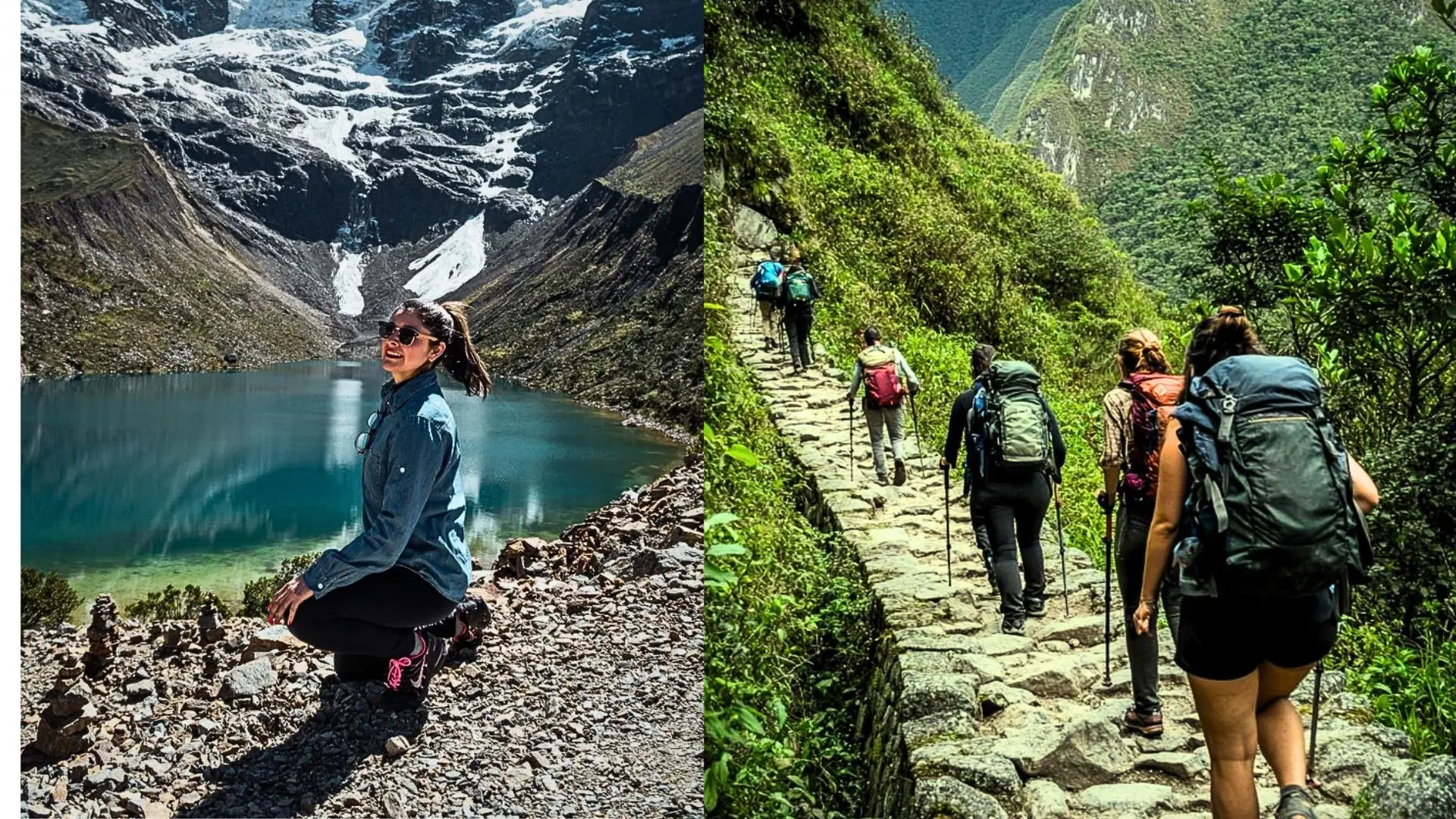
The Salkantay Trek Peru is one of the most famous Inca Trail alternatives and consistently ranks among the best hikes in the world. It crosses diverse ecosystems, from alpine landscapes above 4,600 meters (15,090 feet) at the Salkantay Pass Peru to lush cloud forests filled with orchids, waterfalls, and tropical vegetation.
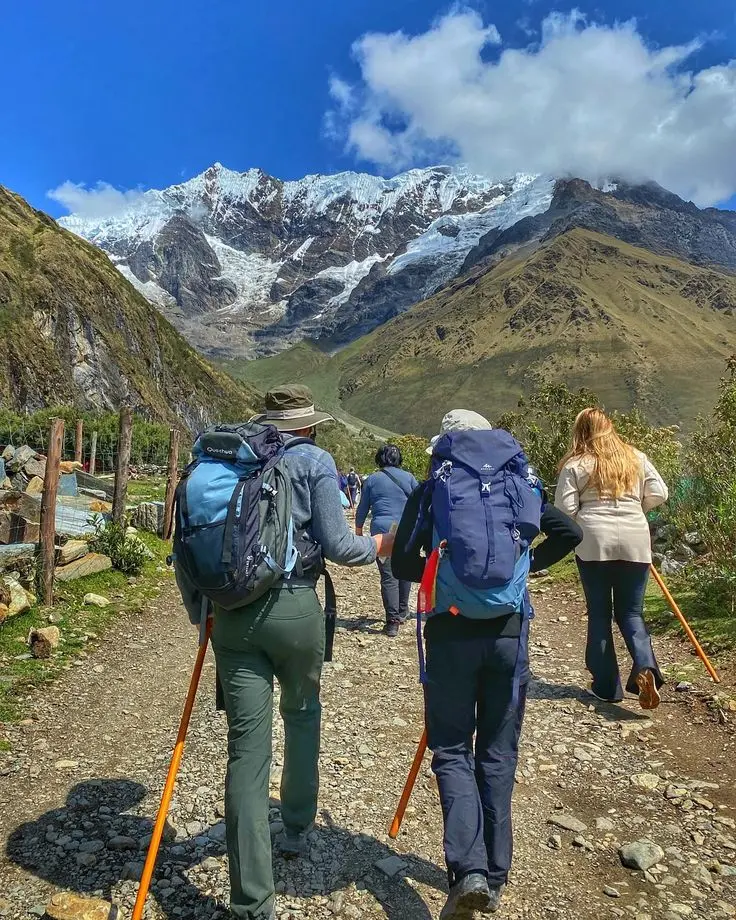
The trail takes its name from Salkantay Mountain (also called Nevado Salkantay or Mount Salkantay), one of the highest and most sacred peaks in Peru. Rising to 6,271 meters (20,574 feet), this majestic Salkantay glacier-capped peak dominates the skyline throughout much of the journey. Most itineraries begin near the town of Mollepata, passing through the high-altitude camp of Soraypampa before the ascent to Abra Salkantay (Salkantay Pass), the highest point of the trek, where hikers take in panoramic views of glaciers and the towering Salkantay Peak.
Unlike the Inca Trail, the Salkantay Trek does not require government-issued permits months in advance, making it one of the best inca trail alternatives for travelers planning a last-minute trip. Several factors make trekking Salkantay Machu Picchu unique:
- Ever-changing mountain landscapes: you’ll hike beneath Salkantay Mountain Peru, pass glacial lakes such as Humantay Lake, cross the Salkantay Pass, and descend into subtropical cloud forest rich in biodiversity.
- Greater flexibility: with no strict daily permit quota, travelers can often book just a few days before departure.
- A more adventurous, wilderness-focused experience: fewer archaeological sites, more immersion in high-altitude mountain passes and remote valleys far from the crowds.
What Is the Inca Trail?
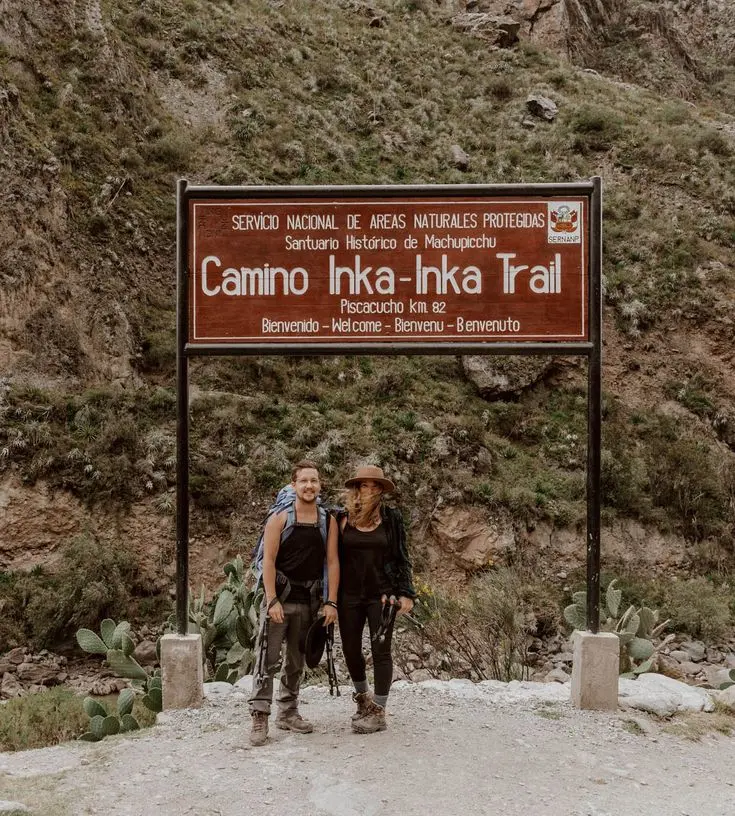
The Classic Inca Trail is Peru’s most iconic hiking route and one of the most famous treks in the world. It follows sections of the original road network built by the Inca Empire more than 500 years ago, connecting ancient ceremonial sites before arriving at Machu Picchu through the breathtaking Sun Gate.
Along the way, hikers visit remarkable archaeological sites such as Wiñay Wayna, Runkurakay, Sayacmarca, and Phuyupatamarca, places only accessible to those hiking the trail. Because of its popularity and strict conservation regulations, access is limited: a fixed number of Inca Trail permits are issued each day, and many travelers book six to eight months in advance, especially during high season.
Salkantay Trek vs Inca Trail: Quick Comparison
| Feature | Salkantay Trek | Inca Trail |
| Distance | 72 km (45 miles) | 42 km (26 miles) |
| Duration | Salkantay trek 4 days or salkantay trek 5 days | Inca trail 4 day classic itinerary |
| Highest Point (Salkantay trek altitude / Inca trail elevation) | Salkantay Pass – 4,650 m (15,255 ft) | Dead Woman’s Pass – 4,215 m (13,828 ft) |
| Salkantay trek difficulty / Inca trail difficulty | Moderate to challenging | Moderate |
| Permits Required | No | Yes (Inca Trail permits, limited daily quota) |
| Salkantay trek cost / Inca trail cost | Generally $450–$700 per person | Generally $700–$1,200 per person |
| Accommodation | Campsites, mountain lodges, or glamping | Campsites only |
| Final Entrance | Aguas Calientes (vía train) | Sun Gate (Inti Punku), on foot |
| Mountain Scenery | Excellent | Very Good |
| Archaeological Sites | Good | Excellent |
| Flexibility / Last-Minute Booking | Excellent | Limited |
| Best For | Nature and adventure lovers | History and archaeology enthusiasts |
Which Trek Is More Difficult?
One of the most common questions travelers ask is whether the Salkantay trek difficulty exceeds that of the Inca Trail and the answer is yes. The Salkantay route reaches a higher Salkantay elevation at the pass (4,650 m / 15,255 ft) and covers a longer overall distance, rewarding hikers with some of the most spectacular mountain scenery in Peru in exchange for a more physically demanding journey.
The Classic Inca Trail, while still challenging, follows a shorter route with a lower maximum Inca Trail elevation. Its toughest section is Dead Woman’s Pass, but many hikers consider the overall trek more manageable which is also why it tends to suit first-time hikers better. If you have little trekking experience but a good baseline fitness level, the Inca Trail’s shorter daily distances and well-established path make it the more beginner-friendly option; Salkantay trekking rewards travelers who prepare with regular exercise and spend at least two days acclimatizing in Cusco beforehand.
Winner: More challenging — Salkantay Trek. More beginner-friendly Inca Trail.
Which Trek Has Better Scenery and Views?
If your priority is Peru’s natural landscapes, Salkantay trekking is hard to beat: towering glaciers, alpine meadows, turquoise lakes like Humantay Lake, waterfalls, cloud forests, and coffee plantations, with some of the most impressive panoramic views of Salkantay Mountain Peru anywhere in the Andes. This variety is also why photographers frequently rank it as the most scenic and most photogenic route to Machu Picchu snow-capped peaks, glaciers, traditional Andean villages, alpacas and llamas, and dramatic sunrises all appear along the way.
The Inca Trail, by contrast, centers its scenery around history: beautiful cloud-forest mountain views frame ancient Inca sites like Wiñay Wayna, making the visual experience inseparable from the archaeological one.
Winner: Best scenery, views, and photography Salkantay Trek. Best archaeological backdrop Inca Trail.
Which Trek Offers More History?
The Inca Trail is unmatched here. This ancient network of stone pathways, built more than 500 years ago, leads hikers past Wiñay Wayna, Phuyupatamarca, Sayacmarca, and Runkurakay before the legendary entrance through Inti Punku (Sun Gate) sites only accessible to those walking the trail. The Salkantay Trek, by contrast, focuses on natural beauty and passes traditional Andean communities, but includes very few archaeological sites before reaching Machu Picchu.
Winner: Inca Trail.
Permits and Availability
This is one of the biggest practical differences between the two routes.
Inca Trail permits are issued by the Peruvian government in a strictly limited daily quota to protect the trail and its archaeological sites. During peak season, permits often sell out six to eight months in advance if you’re planning to hike in May, June, July, or August, early booking is essential.
The Salkantay Trek requires no government-issued hiking permit at all. Travelers can usually reserve their trek just a few days before departure, depending on availability with local tour operators, making it one of the best inca trail alternatives for last-minute travelers.
Winner: Salkantay Trek (flexibility).
Accommodation
Salkantay tours offer a wider range of accommodation styles: mountain lodges, luxury glamping domes, comfortable campsites, eco-domes, and boutique mountain cabins, with many premium tours including hot showers and gourmet meals. Inca Trail accommodation is simpler and more standardized hikers camp in designated campsites throughout the trek using tents provided by the tour operator, an authentic experience but with less comfort than many Salkantay options.
Winner: Salkantay Trek.
Which Trek Is More Crowded?
The Classic Inca Trail is one of the world’s most famous hiking routes, so campsites and trails can feel busy, especially during the dry season. The Salkantay Trek generally feels more remote while its popularity has grown, hikers still enjoy longer stretches of peaceful trail. Travelers seeking a quieter adventure often prefer the Salkantay route.
Which Trek Offers Better Value?
Both treks deliver unforgettable experiences, just in different currencies. The Inca Trail’s value lies in its exclusive archaeological access and the unforgettable Sun Gate entrance worth the higher Inca Trail cost for travelers passionate about Inca history. The Salkantay Trek’s value comes from combining dramatic scenery, itinerary flexibility, diverse accommodation, and easier last-minute booking at a generally lower Salkantay trek cost for many travelers, the best overall balance of adventure, scenery, and convenience.
Best Time to Do the Salkantay Trek (and the Inca Trail)
Best season for both treks is Peru’s dry season, from April to October, when hikers typically enjoy clear skies, comfortable daytime temperatures, and excellent mountain and Salkantay weather conditions for photography. The trade-off is more visitors and higher demand for tours and hotels during these months, particularly June through August.
The rainy season (November to March) transforms the Andes into vibrant green landscapes, with fewer crowds and easier last-minute availability but muddy trails and reduced visibility during storms are more common. For most travelers, May, June, July, August, and September offer the best overall conditions, while April, May, September, and October hit a sweet spot between good weather and lighter crowds.
How to Prepare for the Altitude
Both treks reach elevations above 4,000 meters (13,000 feet), making proper acclimatization essential regardless of which route or which Salkantay trek itinerary you choose:
- Spend at least two days in Cusco before starting the trek.
- Stay well hydrated throughout your trip.
- Eat light meals during your first days at high altitude.
- Avoid excessive alcohol consumption before hiking.
- Walk at a comfortable pace and listen to your body.
- Consult your doctor if you have any pre-existing medical conditions.
Salkantay Trek Packing List (and Inca Trail Packing List)
Packing wisely makes a significant difference on either route:
- Waterproof hiking boots
- Lightweight waterproof jacket and warm layers for cold mornings
- Trekking pants, hat, and gloves
- Sun hat, sunglasses, and high-SPF sunscreen
- Refillable water bottle
- Trekking poles (optional but recommended)
- Personal medications and passport
- Camera or smartphone, plus a power bank
Salkantay Trek Itinerary: Day by Day
A typical Salkantay trek itinerary runs 4 or 5 days, depending on the operator and pace:
- Day 1: Drive from Cusco to Mollepata, then trek to Soraypampa, the high-altitude base camp beneath Salkantay Mountain. Many hikers add a short side trip to Humantay Lake this day or the next.
- Day 2: The toughest day the ascent to Salkantay Pass (Abra Salkantay) at 4,650 m, followed by a long descent into the beginning of the cloud forest.
- Day 3: Continued descent through changing ecosystems, from high Andean terrain into subtropical vegetation, often passing coffee plantations.
- Day 4: Visit the Llactapata archaeological site, which offers a distant view of Machu Picchu, before descending to Hidroeléctrica and continuing by foot or train to Aguas Calientes.
- Day 5: Early bus up to Machu Picchu for the guided tour of the citadel, followed by the train back toward Cusco (often via Ollantaytambo).
The 4-day version compresses these stages into a faster pace, cutting one camping night a good option for travelers with a tighter schedule but slightly less time to enjoy each stop.
Inca Trail Itinerary: Day by Day
The Inca Trail 4 day classic itinerary follows a well-established structure:
- Day 1: Start at Km 82, a gentle warm-up day through the Sacred Valley toward Wayllabamba, passing the Patallacta ruins.
- Day 2: The hardest day a steep climb to Dead Woman’s Pass (4,215 m), the trail’s highest point, followed by a demanding descent.
- Day 3: The longest day, crossing two more passes and visiting Runkurakay, Sayacmarca, and Phuyupatamarca before descending to camp near Wiñay Wayna.
- Day 4: A pre-dawn walk to Inti Punku (Sun Gate) to watch the sunrise over Machu Picchu, followed by the descent into the citadel for a guided tour.
Because Inca Trail permits are tied to specific dates and a fixed group size, this itinerary is far less flexible than Salkantay trekking another reason travelers planning close to their trip dates often lean toward Salkantay instead.
Can You Combine Both Treks?
Some travelers don’t want to choose at all and don’t have to. A popular option combines the Salkantay Trek with a shorter add-on Inca Trail segment (such as the 1-day or 2-day Inca Trail departing from Km 104), allowing hikers to experience both the wilderness scenery of Salkantay and the Sun Gate entrance of the Inca Trail in a single, longer trip. This combined itinerary demands more time and a higher fitness level, but it’s a genuine option for travelers who don’t want to compromise between nature and history.
Guided Tours vs. Independent Trekking
The Inca Trail cannot legally be hiked independently Peruvian regulations require a licensed guide and authorized operator for every trekker. The Salkantay Trek can technically be walked independently since it isn’t permit-restricted, but most travelers still book organized machu picchu trekking tours for safety, logistics (campsites, meals, mule support), and the local knowledge a guide provides along the way.
Both routes fall under the broader category of Peru trekking and Peru adventure tours that have made hiking Peru one of South America’s top outdoor destinations, alongside day hikes and multi-day routes throughout the Andes Mountains near Cusco.
Which Trek Should You Choose?
There’s no universal winner in the Salkantay Trek vs Inca Trail debate the right choice depends entirely on what you want from the experience.
Choose the Salkantay Trek if you want: spectacular mountain scenery, fewer crowds, greater booking flexibility, a more physically challenging outdoor adventure, and diverse landscapes throughout the trek.
Choose the Inca Trail if you want: ancient Inca history, exclusive archaeological sites, the iconic entrance through the Sun Gate, and a classic bucket-list hiking experience booked well in advance.
Both treks end at the same extraordinary destination — Machu Picchu — but each gets you there through a completely different journey.
Frequently Asked Questions
Is the Salkantay Trek harder than the Inca Trail?
Yes. The Salkantay Trek reaches a higher elevation at Salkantay Pass (about 4,650 m / 15,255 ft) and covers a longer overall distance, though travelers with good fitness and proper acclimatization can complete it successfully.
Do you need a permit for the Salkantay Trek?
No. Unlike the Inca Trail, Salkantay trekking does not require a government-issued permit, which is why it’s one of the best inca trail alternatives for last-minute travelers.
Can beginners hike the Salkantay Trek?
Yes, provided they have a reasonable fitness level and spend a few days acclimatizing in Cusco beforehand. Hiring an experienced local guide also makes the journey safer.
Which trek has the best views — Salkantay or Inca Trail?
Salkantay generally offers more dramatic natural scenery (glaciers, Humantay Lake, cloud forest), while the Inca Trail’s views are tied closely to its archaeological sites and the Sun Gate.
Is the Inca Trail overcrowded?
It can feel busy, especially in peak season (June–August), since it’s one of the most famous hiking routes in the world with a fixed daily permit quota funneling everyone onto the same trail and campsites.
What is Salkantay Pass, and how high is it?
Salkantay Pass (Abra Salkantay) is the highest point of the Salkantay Trek, at approximately 4,650 meters (15,255 feet), offering close-up views of the Salkantay glacier and surrounding peaks.
Can you hike Machu Picchu without doing the Inca Trail?
Yes, the Salkantay Trek, along with other routes and the train via Aguas Calientes, are all valid ways to reach Machu Picchu without an Inca Trail permit.
Which trek offers better value?
It depends on priorities: the Inca Trail’s cost reflects exclusive archaeological access, while the Salkantay Trek generally costs less and offers more flexibility and accommodation variety.
Our Expert Recommendation
At Machu Picchu Peru Tours, we’ve guided travelers from around the world through both routes, and each delivers an unforgettable experience. If your dream is to immerse yourself in nature, breathtaking landscapes, and one of the world’s great hiking adventures crossing Salkantay Pass beneath Nevado Salkantay through some of Peru’s most diverse ecosystems we recommend the Salkantay Trek. If you’ve always wanted to walk the original paths of the Inca Empire and enter Machu Picchu through the historic Sun Gate, the Classic Inca Trail is the perfect choice.
Whether you choose the Salkantay Trek or the Classic Inca Trail, our team offers small-group and private machu picchu hiking tours led by professional local guides, with carefully planned itineraries, quality accommodations, reliable transportation via PeruRail and Inca Rail, and personalized service from start to finish. Contact Machu Picchu Peru Tours today to find the best trek to Machu Picchu for your next adventure.


